nexttech.be
en

The knowledge platform for technology, innovation and digital transformation
A new era of manufacturing
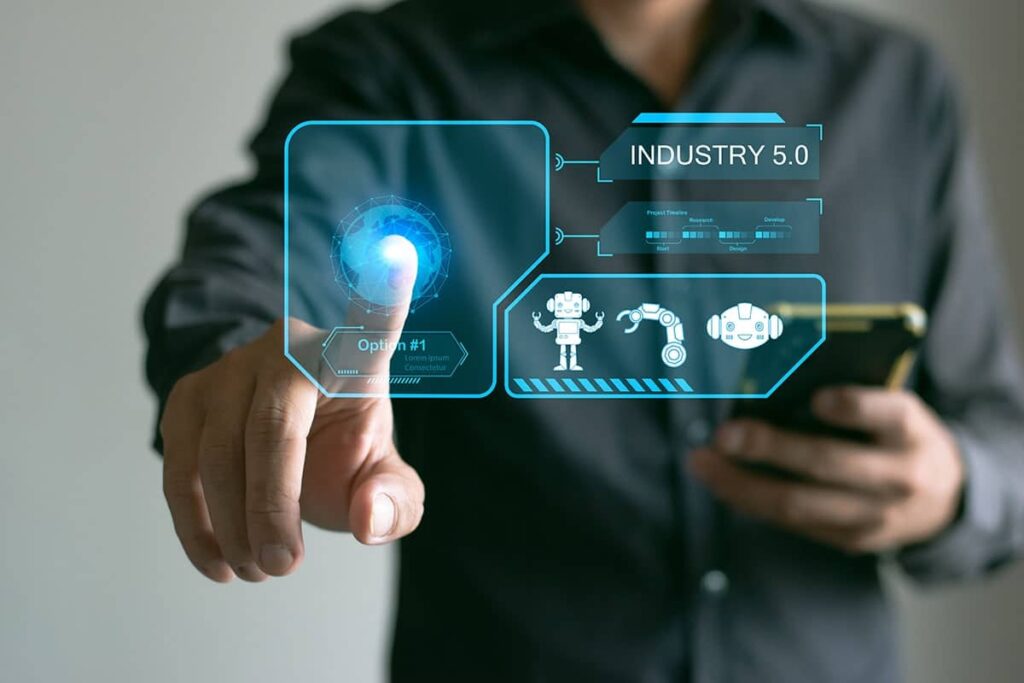
Forget Industry 4.0. A new era has arrived. While Industry 4.0 was technology-driven, Industry 5.0 is value-driven. Where 4.0 focused on automation and an increased focus on technology, 5.0 puts people back at the centre, combined with technology primarily aimed at serving society and the world around us. While there are plenty of crossovers between the two revolutions, there are two important nuances as they enable industry to actively deliver solutions to contemporary societal challenges: using resources sparingly, ensuring social stability and addressing climate goals.
Industry 5.0, also known as the Fifth Industrial Revolution, is a new and emerging phase of industrialisation in which humans work together with advanced technology and artificial intelligence-driven robots to improve work processes. This is accompanied by a more human-centred focus, greater resilience and an enhanced focus on sustainability. This new phase is enabled by developments in IT that include facets such as artificial intelligence, automation, big data analytics, the Industrial Internet of Things (IIoT), machine learning, robotics, smart systems and virtualisation.
This new industrial revolution, which broadens the concepts of Industry 4.0, is described by the European Union as ‘a vision of industry that goes beyond efficiency and productivity as its only goals, and strengthens its role and contribution to society’. This is an important departure from the approach of Industry 4.0, as described by the EU, as ‘it puts worker welfare at the heart of the production process and uses new technologies to create wealth beyond jobs and growth, while respecting planetary production limits.’ This is a shift from a focus on economic value to a broader concept of social value and well-being. Although this concept has been addressed in the past, for example through Corporate Social Responsibility, the idea of putting people and the planet before profit creates a new focus for the industry.
The first industrial revolution began in the 18th century and underwent five iterations as technologies and processes developed in the following centuries ... This first revolution began around 1780 and focused on industrial production based on machines powered by steam and water. Some 100 years later, in 1870, this second industrial revolution was based on electrification and took place with mass production via conveyor belts. Another 100 years on, towards 1970, Industry 3.0 saw automation through the use of computers and electronics. This was reinforced by globalisation (Industry 3.5), with production being moved to low-wage countries. We currently live in the fourth industrial revolution, which is based on the concept of digitisation and automation, artificial intelligence, connected devices, data analytics, cyber-physical systems, digital transformation and encompasses much more.
The key benefit of Industry 5.0 is the creation of higher-value jobs that enable greater personalisation for customers and improved design freedom for workers. By automating manufacturing processes, human workers can spend more of their time delivering improved, customised services and products. This already started with Industrie 4.0, but Industrie 5.0 goes a step further with improved automation and feedback to create a service-oriented model where people can focus on adding value for end users. Meanwhile, the increased focus on sustainability and resilience means companies are becoming more agile and flexible, while also having a positive impact on society - rather than just mitigating negative impacts.
It is difficult to see the downsides of Industry 5.0, but the challenge will lie in how organisations can adapt to embrace this new concept. Companies that are able to become more people-centric, resilient and sustainable are likely to be at the forefront of future solutions, while those that cannot keep up will be left behind. To better understand this, it is worth looking in more detail at the strategies of Industry 5.0 - namely a people-centric approach, improved resilience and a broader focus on sustainability.
Industry 5.0 encompasses a strategy that transforms people from resources into real assets. In effect, this means that instead of people serving organisations, organisations will be serving people. So instead of using talent only to create competitive advantage and value for customers, Industry 5.0 also focuses on creating added value for employees to attract and retain the best workers.
As the world has become more integrated over the years, we have seen the widespread impact of things like the Covid-19 pandemic and subsequent international supply shortages. While many companies focus on improving efficiency and optimising profits, these factors do not improve resilience. Indeed, there is a belief that focusing on agility and flexibility can make companies less resilient, rather than more. Instead of focusing on growth, profit and efficiency, more resilient organisations would anticipate and respond to any crisis to ensure stability in difficult times.
Industry 5.0 expands sustainability from simply reducing, minimising or mitigating climate damage to actively pursuing efforts to create positive change. This aims to make the world a better place, with companies being part of the solution rather than being a problem or just paying lip service to sustainability goals through ‘greenwashing’.
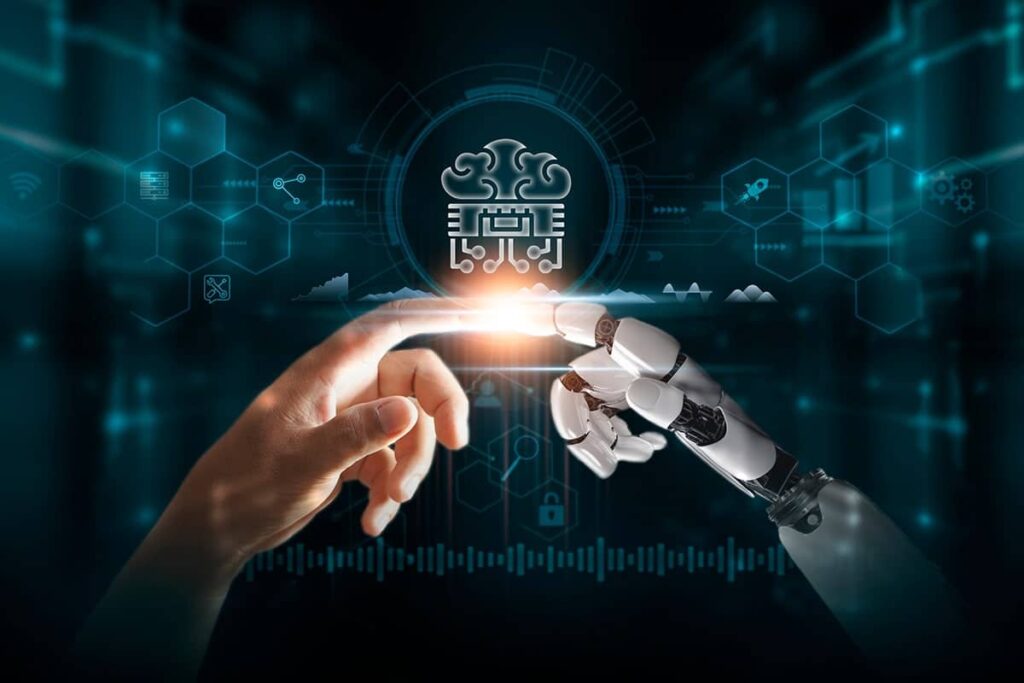
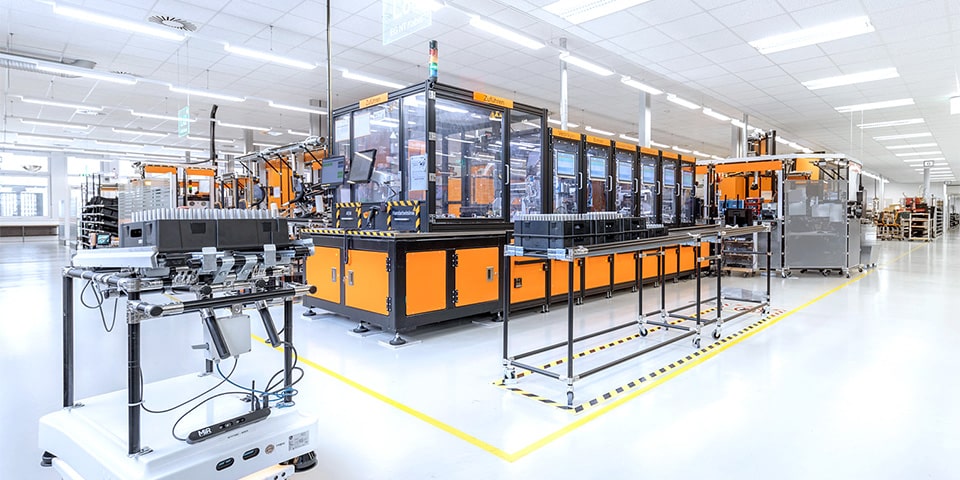
While robots have been doing dangerous, monotonous or physically exhausting work in factories and other work environments, Industry 5.0 extends this by allowing them to work alongside human workers. For example, instead of being fenced in for safety, a new generation of cobots working safely alongside humans is creating new opportunities for companies. By allowing humans and machines to work side by side, humans can focus on value-added processes to take product personalisation to the next level. For example, the medical world could use this collaborative, cooperative approach to create devices tailored to an individual, such as a diabetes app that can track your lifestyle and inform the production of a device to meet your individual needs. Tailoring products to individual needs could be extended to other industries, such as electronics and the automotive industry, adding a personal, human touch to the offerings created by Industry 4.0.
Industry 5.0 refers to robots and smart machines working alongside humans, with an emphasis on resilience and sustainability goals. Whereas Industrie 4.0 focused on technologies such as the Internet of Things and big data, Industrie 5.0 aims to add human, environmental and social aspects back into the equation. In this respect, Industrie 5.0 can be seen as complementing the progress of Industrie 4.0, aiming to support rather than replace humans. This allows humans to intervene where needed, moving away from excessive automation to critical thinking and adaptability, while maintaining precision and repeatability of machines.