nexttech.be
en

The knowledge platform for technology, innovation and digital transformation
“Algorithms help match businesses with premises”
Artificial Intelligence, or AI for short, is gaining ground in more and more sectors. Big data can be used, for example, to predict needs and better match supply and demand. This technology is also being picked up in the property sector. Start-up March from Ghent wants to use this kind of property tech to set itself apart from the competition.
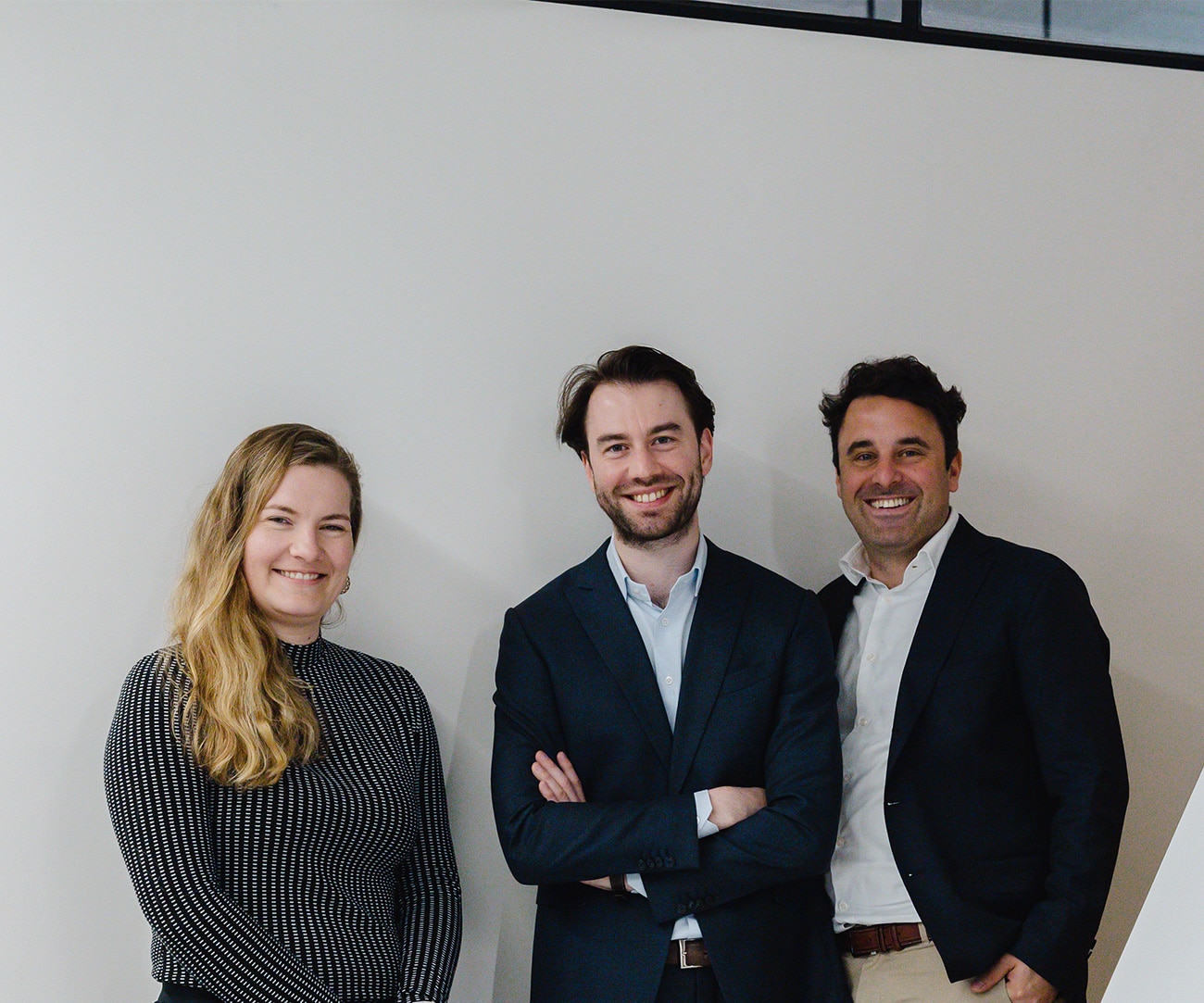
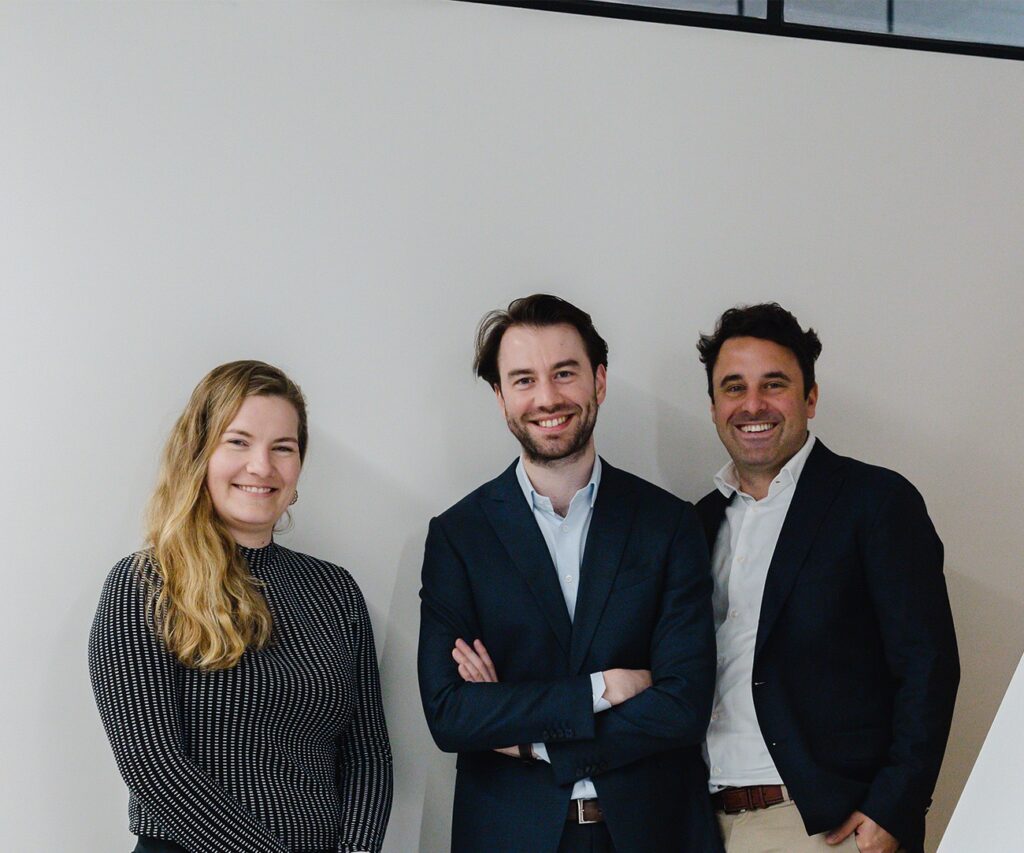
In the commercial property market, there is currently high demand and low supply for industrial companies, and certainly for the logistics sector. “But the trend varies depending on the segment of commercial real estate. For example, the coronavirus pandemic has had a major impact on the office market, where we are seeing more vacancies. Due to working from home, many companies are still reviewing what is important to them in an office space,” says Philippe Meire of March, a commercial real estate specialist who makes full use of new technologies.

In a difficult market, it is important to act quickly. In order to guide companies as effectively as possible in their search for the ideal property in the best location, March developed its own AI-based technology: a “matching engine”. Michaël Despriet: “The beating heart of our tool is a database containing a wealth of information about the real estate of all companies in our country. For each company, we have collected around 40 parameters based on location, socio-economic data and various company data.”
“Our algorithm recognises certain patterns in this enormous mass of data, allowing us to predict which company is best suited to which location. But this intelligent database also works in reverse. Companies looking for a specific type of property can create a profile. This allows us to suggest only those business locations that are relevant to the profile of that specific company,” says Inez Van Laer.

“Thanks to our application, we can work much faster and, above all, more proactively. Our experience in real estate, the use of technological innovations and our knowledge of the local market create significant added value for our customers. Not only for the sale of their commercial property, but also in their search for new locations,” Philippe continues.
However, technology does not replace the human factor. “Our matching engine supports our real estate professionals in their daily activities, allowing them to focus on their greatest added value: negotiating and closing the deal.”
“The guidance process consists of two steps. First, a colleague will examine your profile in depth and analyse your needs. That person will then refer you to a ‘companion’, an advisor who specialises in a particular type of property in a specific region. This allows us to approach the case in the most objective way possible,” explains Michaël.
Today, March has offices in Ghent and Antwerp. By the end of this year, they want to open a branch in Brussels, and Wallonia is also on their wish list. “The aim is to eventually build a network of regional hubs, with around ten employees at each location who know the local market. In the longer term, we also want to explore the possibilities of our tools across national borders,” concludes Philippe Meire.