nexttech.be
en

The knowledge platform for technology, innovation and digital transformation
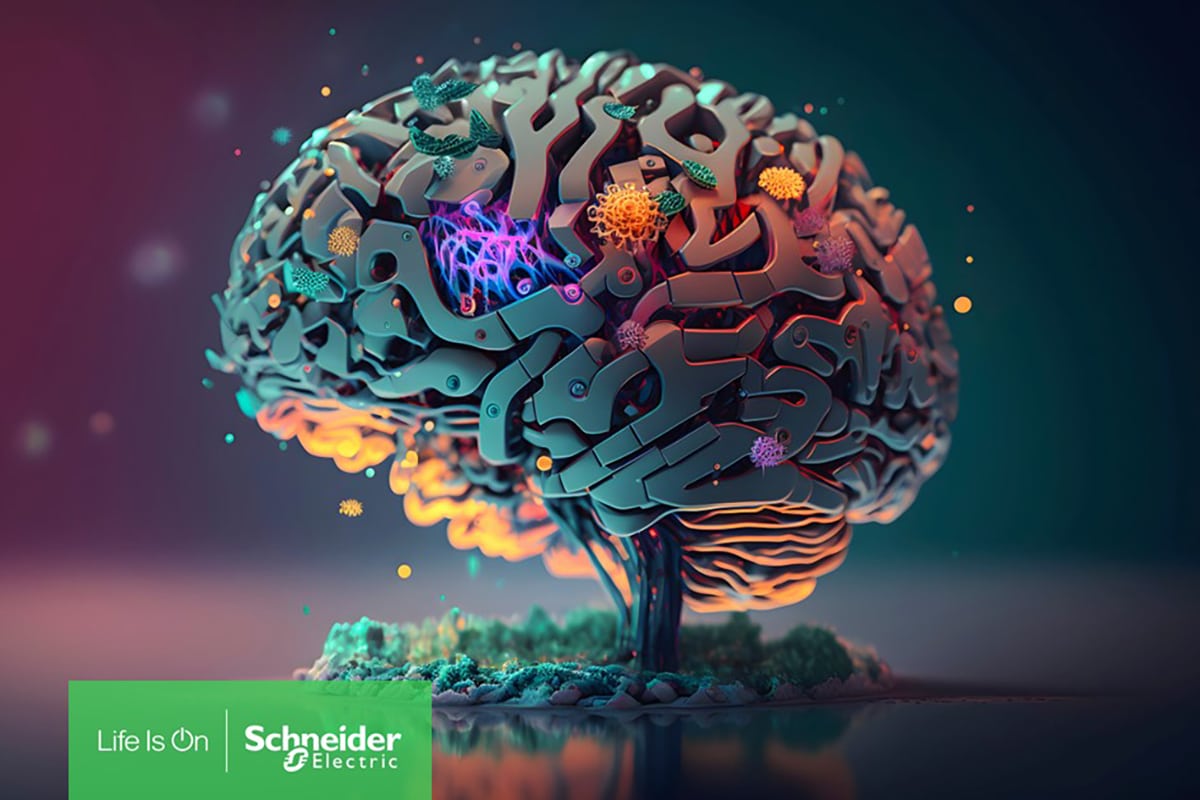
Schneider Electric, a leader in the digital transformation of energy management and automation, announces a multi-year initiative that will develop an innovative ecosystem for sustainability and energy management. It is supported by an ambitious growth model that underscores the company's commitment to cutting-edge software and innovation.
Agentic AI forms the core of this initiative. The company's future-oriented ecosystem will reshape energy and sustainability management through its role as a command centre and coordination layer for strategy and decision-making. By embedding AI agents in adaptive workflows that seamlessly integrate with human experts and business systems, individual sustainability efforts are transformed into an intelligent ecosystem that continuously optimises results and drives sustainable impact.
“Our vision is based on collaborative intelligence, i.e. agentic AI that works together with human experts as a digital colleague., according to Steve Wilhite, President of Schneider’s Sustainability Business division, “This technology enables the automation of complex data analyses and tasks, allowing our customers to shift their focus to strategic initiatives and innovations that lead to greater impact. This results in a fundamental shift in how organisations accelerate their energy and decarbonisation journey.”
To lead this initiative, Schneider Electric appointed Julien Picaud as Head of Product Management. Picaud comes to Schneider Electric with a background in strategic leadership and product management. His focus is on digital innovation and AI-driven initiatives that improve business performance and the intelligent management of resources and emissions. Picaud will spearhead the investment that will renew the core functionality of the company's existing software platforms while introducing new features stemming from the recent acquisition of leading sustainability company EcoAct.
As a provider of solutions for the energy transition, Schneider Electric has more than twenty years of experience in helping thousands of multinationals worldwide achieve their energy and sustainability goals. This expertise forms the basis of the new ecosystem and enables customers to benefit from the breadth and depth of the company, which brings together the best of human and artificial intelligence.
“In specialised domains such as energy and sustainability, agentic AI is only as effective as the in-depth domain knowledge embedded in its design.”, according to Amy Cravens, Research Director, Sustainability and ESG Software at IDC. “Guided by decades of experience and a team with deep domain knowledge, Schneider Electric is creating an agentic AI ecosystem that sets a new standard for sustainability management and enables organisations to tackle increasingly complex challenges. This next generation of agentic AI will easily transform information management into actionable systems of the future.”
Schneider Electric is a recognised leader in sustainability and ethics. It was named the world's most sustainable company by Corporate Knights and has been awarded 14 times as one of the world's most ethical companies.
“We are aware of the energy intensity of AI and are committed to developing and deploying this investment with an emphasis on computational efficiency and responsible use of resources. By integrating the principles of energy-efficient AI, we design systems that deliver maximum intelligence with minimal resource consumption. This means we use leaner models, efficient algorithms and optimised infrastructure to reduce energy consumption, emissions and costs without compromising performance.” according to Dan Whitsell, Chief Technology Officer and Head of Software Engineering for the Sustainability Business division.
The announcement builds on the company's proven track record in AI innovation, including Resource Advisor Copilot for sustainability insights for businesses, a global AI hub that saves £15 million through optimisation, over 18 AI patents en a strategic partnership with Nvidia to prioritise efficiency and sustainability in large-scale data centre infrastructure.
Related sources: