nexttech.be
en

The knowledge platform for technology, innovation and digital transformation
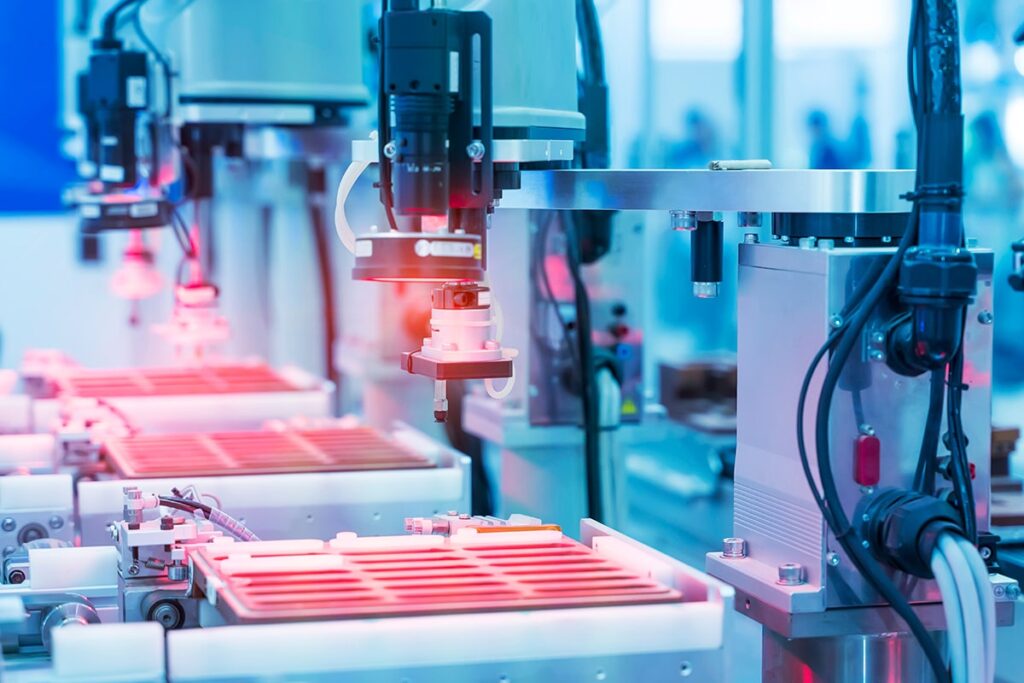
Sensors are the worker ants of Industry 4.0. After all, without reliable readings, it is impossible to map processes and then optimise them. And they allow higher efficiency and productivity then, which we all strive for. But sensor technology obviously does not stand still. One notable trend is that of sensor fusion: a sensor that combines different sensor technologies to achieve better insights in less space.
A sensor captures information from its environment. Depending on the type, this involves pressure, temperature or flow rate, but equally, they measure the conductivity of liquids, make statements about pH levels or map the world around them. A huge asset in your production to automate processes in this way. After all, depending on the captured values, you can then fine-tune the other parameters. Howdy, but in many companies today, this technology is already well established. If we look at the next steps, sensor fusion springs to mind, a technique made possible in part by advances in chip technology.
We speak of sensor fusion when you combine several sensors into one compact sensor application. Compact, because machines are getting smaller and it is exactly here that more efficient chip technology is needed. Feel free to compare it to how a human brain functions. The information our senses pick up comes together in our brain. Only by aggregating that data from different sources and testing it against the intelligence built up through experience do we know what is coming and how to respond appropriately and efficiently. Sensors that work together autonomously in the same way are increasingly popping up in industry. Sometimes in one off-the-shelf product that combines multiple measurements, but equally well built together into one integrated sensor module for specific applications that require combined data.
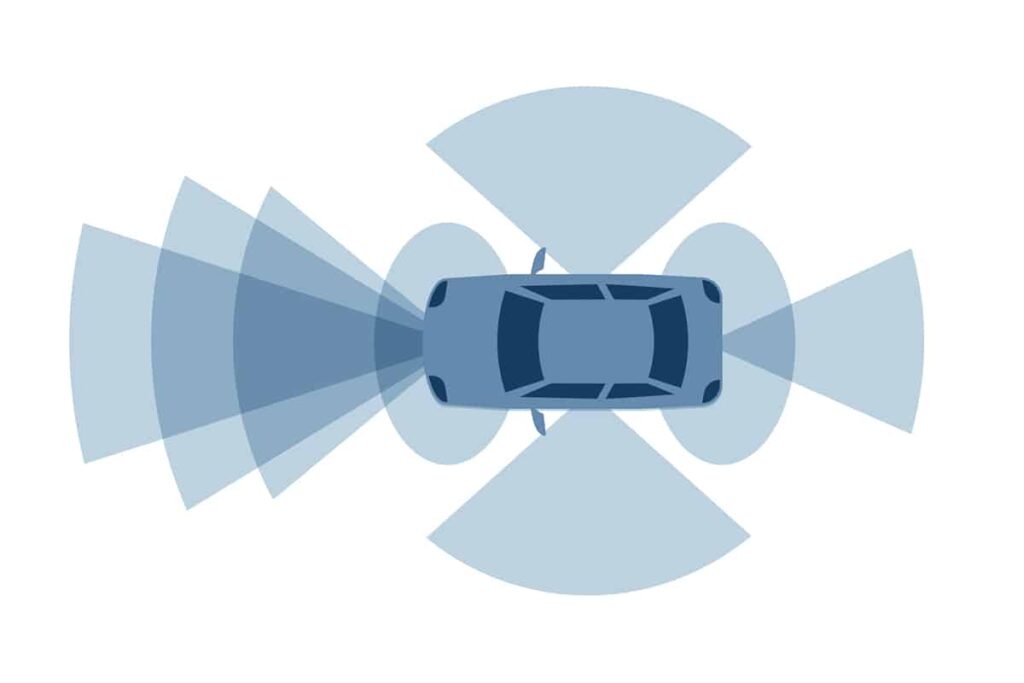
After all, the larger amounts of data and the use of different sources combine to provide advantages for digging up more connections and insights. Each sensor type has inherent strengths and weaknesses. Together, they see more. Let's take an example from traffic and the technology that comes with a new car today. Radars are very strong at accurately determining distance and speed - even in difficult conditions - but cannot read traffic signs or ‘see’ the colour of a traffic light. Cameras, on the other hand, are very good at reading road signs or classifying objects such as pedestrians, cyclists or other vehicles. However, they can easily be blinded by dirt, sun, rain, snow or darkness. Finally, lidars can accurately detect objects, but do not have the range or affordability of cameras or radar.
When we put those three technologies together, we get an enrichment of data. It enables more difficult detections where different variables come together and even lays the foundation for autonomous driving, which is being tinkered with hard today. In an industrial environment, sensor fusion allows individual data to come together, giving a complete picture of the environment or system being monitored. One necessary condition, though: there must be enough intelligence on board to process the data fast enough. It also means that users do not have to control their applications from a central data centre but can work with edge devices. Low-level data fusion on smart devices or gateways collects and processes inputs from sensors. Mid-level fusion supports intensive analytics and high-level fusion then happens in data centres or the cloud for a broader perspective. The advantages of such an approach are: