nexttech.be
en

The knowledge platform for technology, innovation and digital transformation
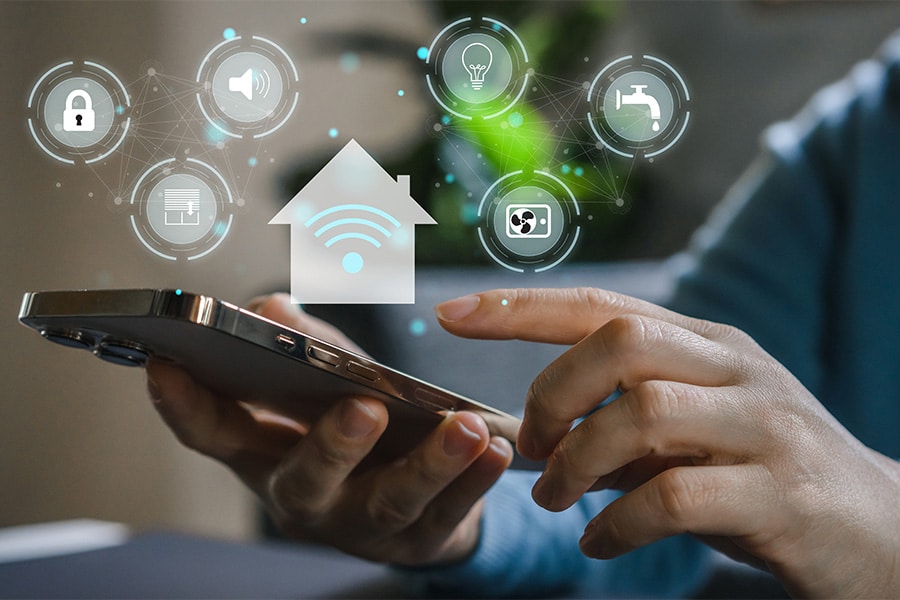
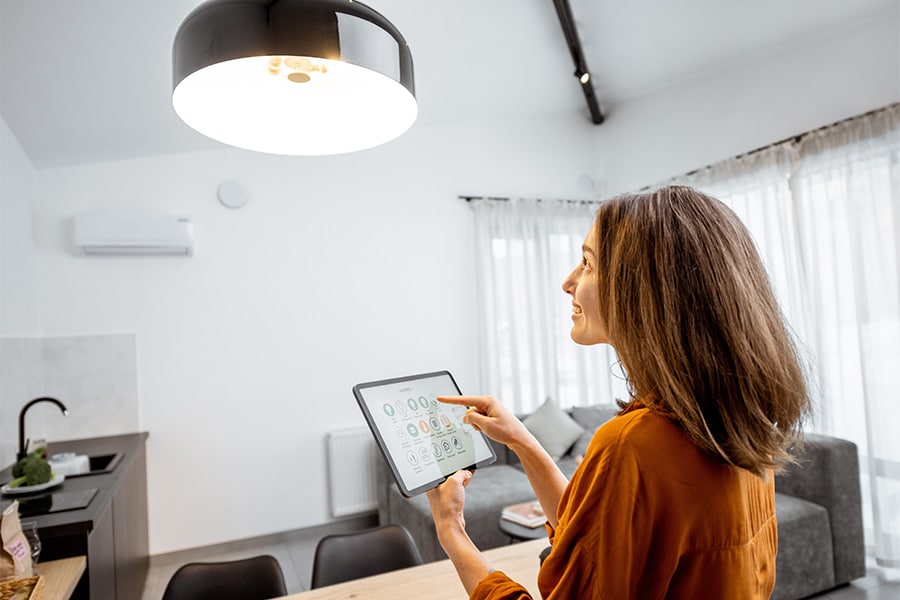
A smart home is a house in which electronic devices and systems communicate with each other and perform tasks automatically. The concept is developing at a rapid pace. What are the latest trends and innovations for providing homes with smart living comfort? And why will we evolve from smart homes to smart cities?
In a smart home, light, heat and humidity are controlled in an intelligent and simple way using sustainable and energy-efficient solutions to create a healthy indoor climate.
A smart home is equipped with intelligent radiator thermostats. With flexible control options and demand-dependent consumption, you can save a lot on heating costs. An app intelligently and automatically distributes the internally generated solar energy. This also allows you to save on electricity costs. In a smart home By 2050, Europe wants to be climate neutral and emit as few greenhouse gases as possible. Investing in heat pumps is a smart investment in green and future-proof living. Heat pumps are not only suitable for new-build homes. There is also a suitable heat pump for every application in existing homes. With a heat pump, you are independent of fossil fuels by using heat from the environment. When you combine a heat pump with solar panels, you do not need to draw all your electricity from the grid. This allows you to make optimal use of the electricity you generate yourself. A home battery also allows you to maximise the use of the electricity you generate yourself. Smart homes also implement energy management systems to optimise energy consumption.
Healthy indoor air is essential for comfortable living. There are already many ventilation systems on the market. But what if your home is fully finished and a central ventilation system is not possible for practical reasons? In that case, a local ventilation unit with humidity, VOC and optional CO2 measurement could be the solution. It provides full ventilation without the need for major renovations. And fresh smells in the toilet.
For those looking for a central ventilation system during a thorough renovation, there are systems that automatically activate when sensors detect excessive moisture, odours or CO2 in the indoor air. It only ventilates where and when necessary and in the right amount, which prevents unnecessary energy consumption. Such systems ensure that fresh air is supplied naturally via window ventilation, while polluted air is removed in a controlled, mechanical manner.
This allows you to ensure healthy and fresh indoor air in every situation, whether you opt for a local or central ventilation solution.
A smart home is also a safe home for its residents. Security challenges have therefore increased significantly in recent years. A smart alarm system with sensors and cameras that record everything provides optimal protection against burglars, fire hazards and imminent water damage. The alarm system works very effectively because all devices are connected and communicate with each other and with the outside world. In a smart home, all devices communicate with each other with one goal in mind: to increase comfort and safety and make everything as easy as possible. This is made possible by, among other things, ease of installation (wireless or on the existing network), ease of use (everything in one app) and intelligent expansion options.
Sensors are the eyes and ears of the intelligent home automation system. These sensors continuously collect data and send it to the central controller, enabling the home to respond proactively to different situations.
For example, when the temperature drops, the heating is switched on, or when movement is detected, the lighting is switched on. From thermostats to lighting and security cameras, smart devices add comfort and efficiency. For example, the temperature in the room can be automatically adjusted for optimal comfort. The lights dim depending on the time of day. Real-time camera images are streamed to your mobile phone. These are accessible systems that allow you to make any home smart. Smart automation systems allow you to use your energy more efficiently. It is important to gain insight into your energy consumption and the energy production of your home and all your individual appliances. By managing your energy flows in a smart way and automatically spreading your consumption, you can avoid peaks in energy consumption.
Connected sockets or smart plugs switch on automatically when you have surplus solar energy. This allows you to always make optimal use of your own generated energy. You can automate switching lights on and off with a motion detector, saving up to 30 per cent energy. The personalised 'everything off' function is also useful.

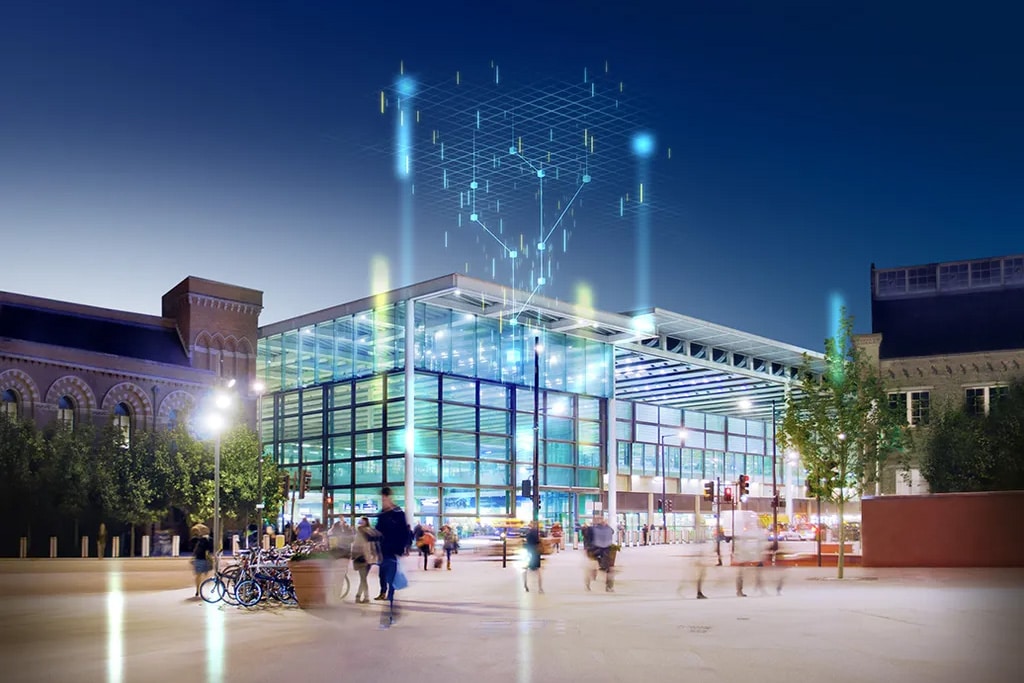
By 2030, people worldwide will be living in cities. Cities are growing and innovating rapidly. Cities are becoming low-emission zones and we are seeing green architecture emerge. Smart homes are becoming smart cities. Local authorities want to redesign their neighbourhoods to make them more resilient and environmentally friendly. They are doing this by making their energy policies more sustainable, by developing energy communities for renewable energy and by storing shared energy together. In the future, these technologies will be seamlessly integrated into our daily lives. Technologies that optimise traffic flows and reduce energy consumption. More and more renewable energy will be systematically integrated into buildings. The electrification of transport is progressing rapidly and continues to increase. The Internet of Things is an ingenious network that connects everything, collecting and exchanging data. By analysing and exchanging data, companies can improve their production processes, reduce maintenance costs and personalise customer service. All of this contributes to a better quality of life by improving health, safety and comfort in everyday life.