nexttech.be
en

The knowledge platform for technology, innovation and digital transformation
“Technology evolves faster than humans can change.”
Since the arrival of ChatGPT, AI has been a constant feature in the news. The impact of this technology on virtually all aspects of our society appears to be enormous. Flanders is home to many innovative companies working on language-intelligent AI. How do they view the events of recent months and how do they see the future? We investigated – for the time being, without the help of AI.
ChatGPT has been hugely successful. This generative AI application reached 100 million users in less than two months. By comparison, Instagram took about two years to reach that milestone, and TikTok took seven months. Since its launch on 30 November 2022, this AI application has been constantly in the news.

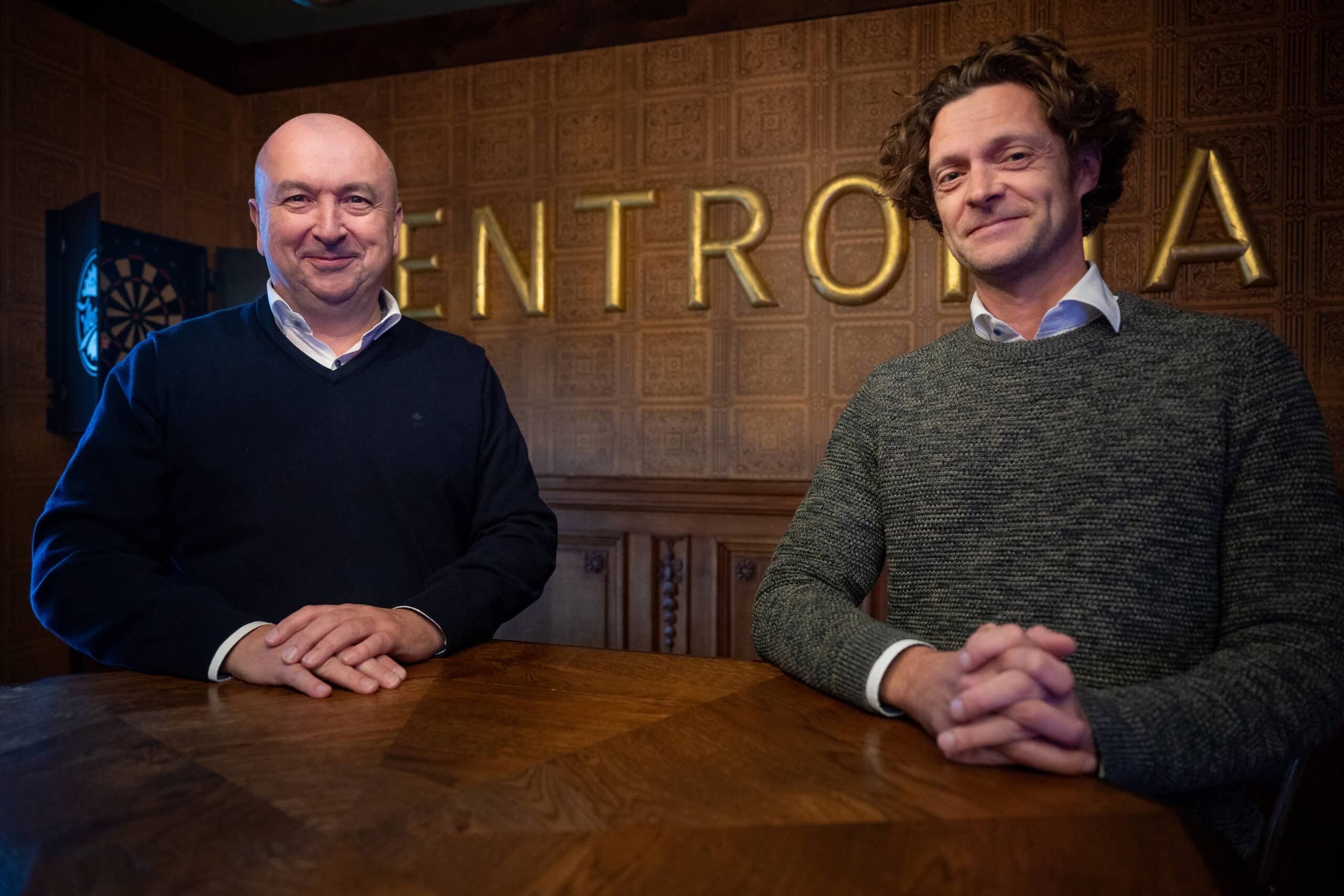
“It is striking that there is greater interest in ChatGPT and the underlying technology here than in neighbouring countries,” says Frank Aernout, CEO of language technology company Nalantis, which develops AI that can semantically analyse and understand texts. “One possible explanation is that the Flemish business community has been working on this for a long time. We are truly a hub for language technology. In relation to the number of inhabitants, I don't think there is anywhere else where so many people are working on language technology as here.”
This sentiment is shared by other Flemish AI entrepreneurs. “There is a very active community of players here who are working on Natural Language Processing (NLP), the branch of AI that deals with understanding text in the same way that humans can,” says Jeroen Van Hautte, CTO of TechWolf, which maps employee skills by searching and structuring company data with the help of AI-driven language models.
This strong activity is related to the specific linguistic context of our country. “You can clearly see that a high level of language sensitivity is ingrained in our culture. This is probably a consequence of the demographic and multilingual reality in which we live. In the United States, for example, this is much less the case,” explains Maarten Mortier, Strategy Lead at Henchman, a start-up active in legal tech that has been on an impressive growth path since 2020.
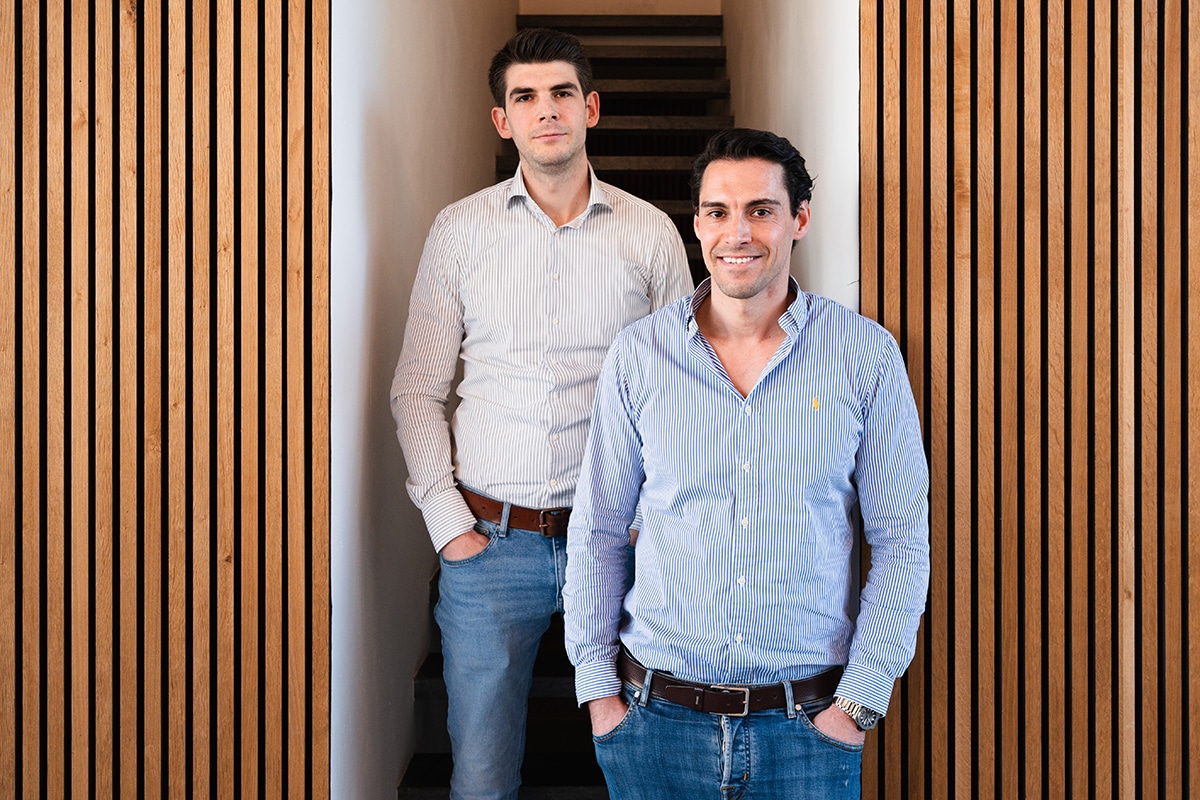
This multilingual breeding ground also offers a clear advantage. “We are developing a digital tool that enables law firms to search and enrich their own databases at clause level. An important reason for our growth is the fact that we chose from the outset to develop our technology in multiple languages. Today, the system supports 16 languages, while our competitors are usually only available in English,” says Jorn Vanysacker, CEO of Henchman.

These AI entrepreneurs are naturally paying close attention to developments surrounding ChatGPT. “The term ‘iPhone moment’ is appropriate. Because, just like with the launch of the first iPhone back then, the technology is not actually new, but what is innovative is that everything has now been brought together in a very user-friendly product. This is causing a kind of ”aha moment' for a lot of people. It makes them think about what AI can do for them," explains Van Hautte.
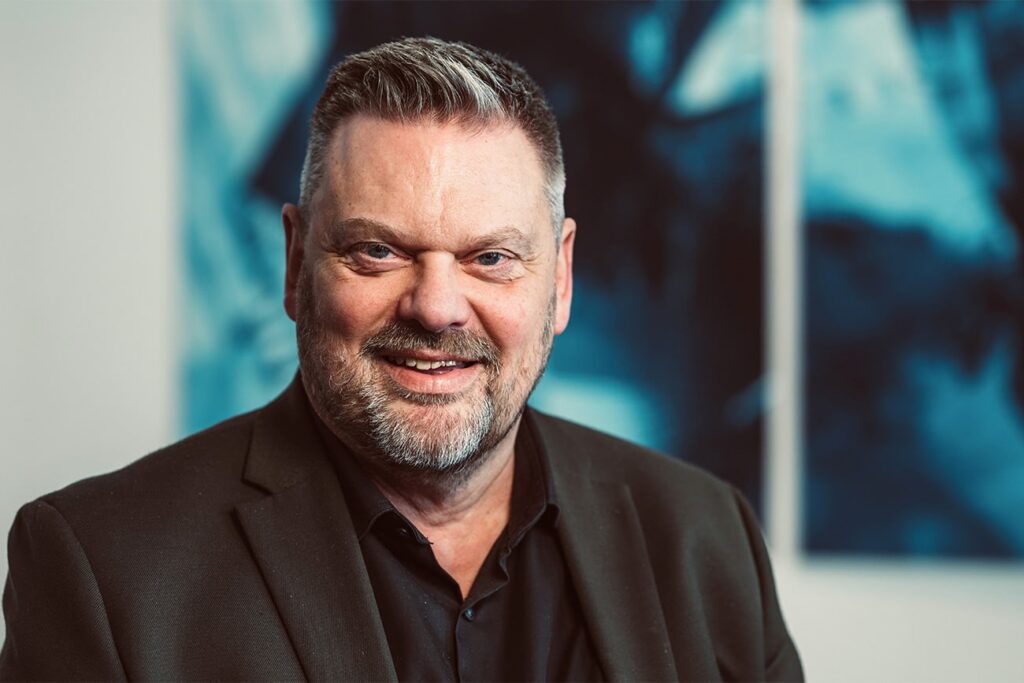
This reality is also clearly reflected commercially. “We have had a lot of interested investors contacting us in recent weeks. We are even talking about a new gold rush,” says Nicolas Deruytter, CEO of ML6, an AI company that has grown to more than 100 employees in just under 10 years.
In other words, we can be sure that ChatGPT will accelerate growth in the world of AI and NLP. However, this also presents challenges for entrepreneurs in this sector. “The storm of the past few months has put everyone on edge, but at the same time, there is caution in the world of language technology,” says Aernout. “ChatGPT is and remains a processing tool. It cannot understand or interpret. That is a completely different story from, for example, the semantic AI that Nalantis is developing. That is why we need to explain our added value very clearly to potential users and investors.”
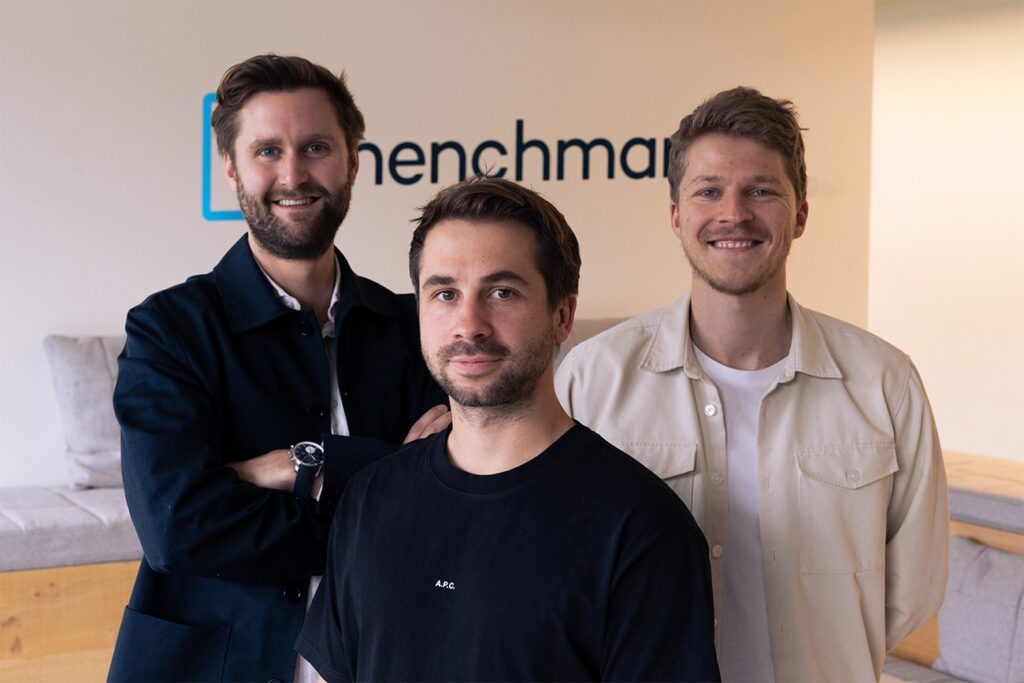
In recent weeks, the general public has also raised questions about the desirability of these developments. The impact of technology can be particularly significant. “It is evolving faster than the human capacity to change, and that causes stress,” explains Deruytter.
Nevertheless, entrepreneurs are optimistic about the future. “Many tasks will be taken over, but I'm not fatalistic,” says Frank Aernout. “When Wikipedia arrived, we also thought that journalists would become redundant. That has not turned out to be the case. The same applies to DeepL and the translation sector. In other words, this may seem like a big bang and it is certainly a wake-up call for many tech companies, but it is not the next industrial revolution.”
We hear the same sentiment at Henchman. “Our starting point is: a solicitor with AI is better than one without... We ensure that they can work more efficiently and have more time to focus on value creation,” says Vanysacker. “I feel that the negative perception surrounding AI is mainly held by people who are unfamiliar with it. Over the past two years, we have been in contact with around 7,000 companies, and not a single one was afraid for its business.”
Nevertheless, it is essential that this area of tension is dealt with in a considered manner. “Our sector is characterised by techno-optimists. They sometimes pay too little attention to the social repercussions,” says Deruytter, who hopes above all that the discussion will be opened up in the coming months. “Given that virtually all knowledge workers will be confronted with a new reality, it is crucial that we steer towards a broader social debate that also addresses the relationship between employer and employee and the place of work in our lives. Think, for example, of the four-day working week or basic income,” he concludes.