nexttech.be
en

The knowledge platform for technology, innovation and digital transformation
“We need to be much more daring in our experimentation.”
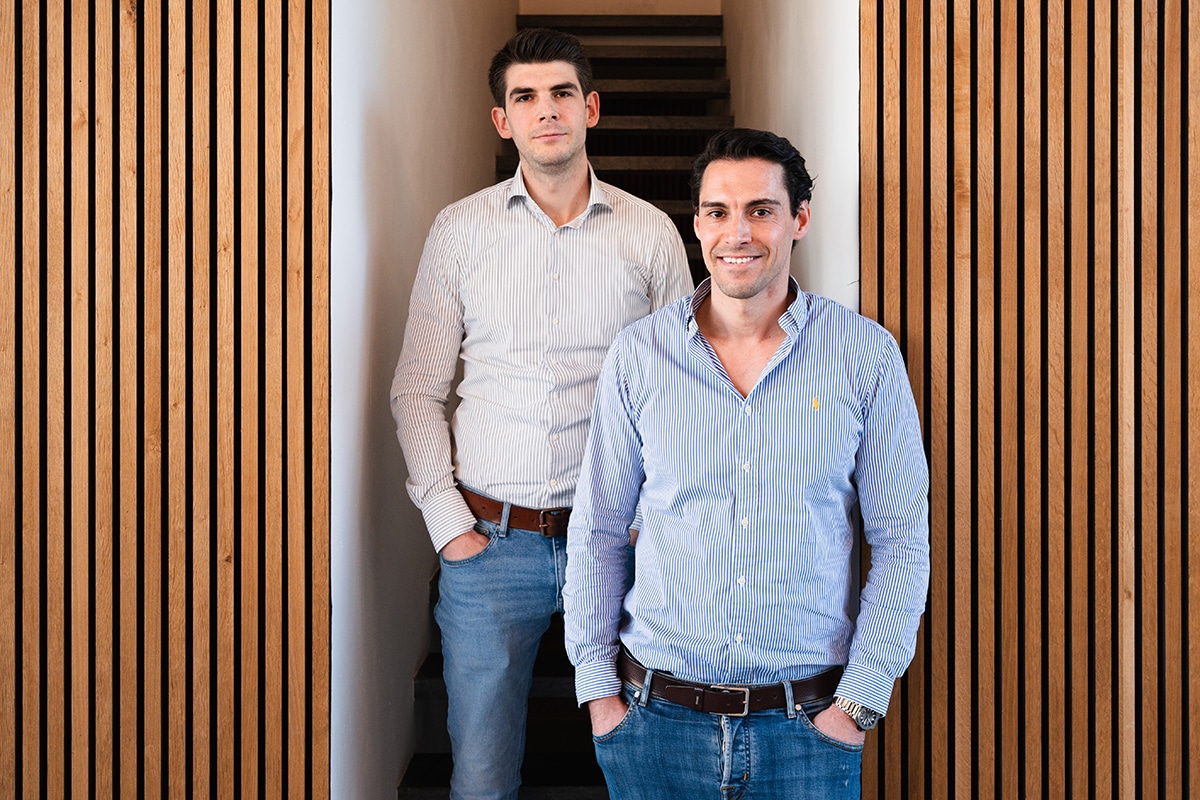
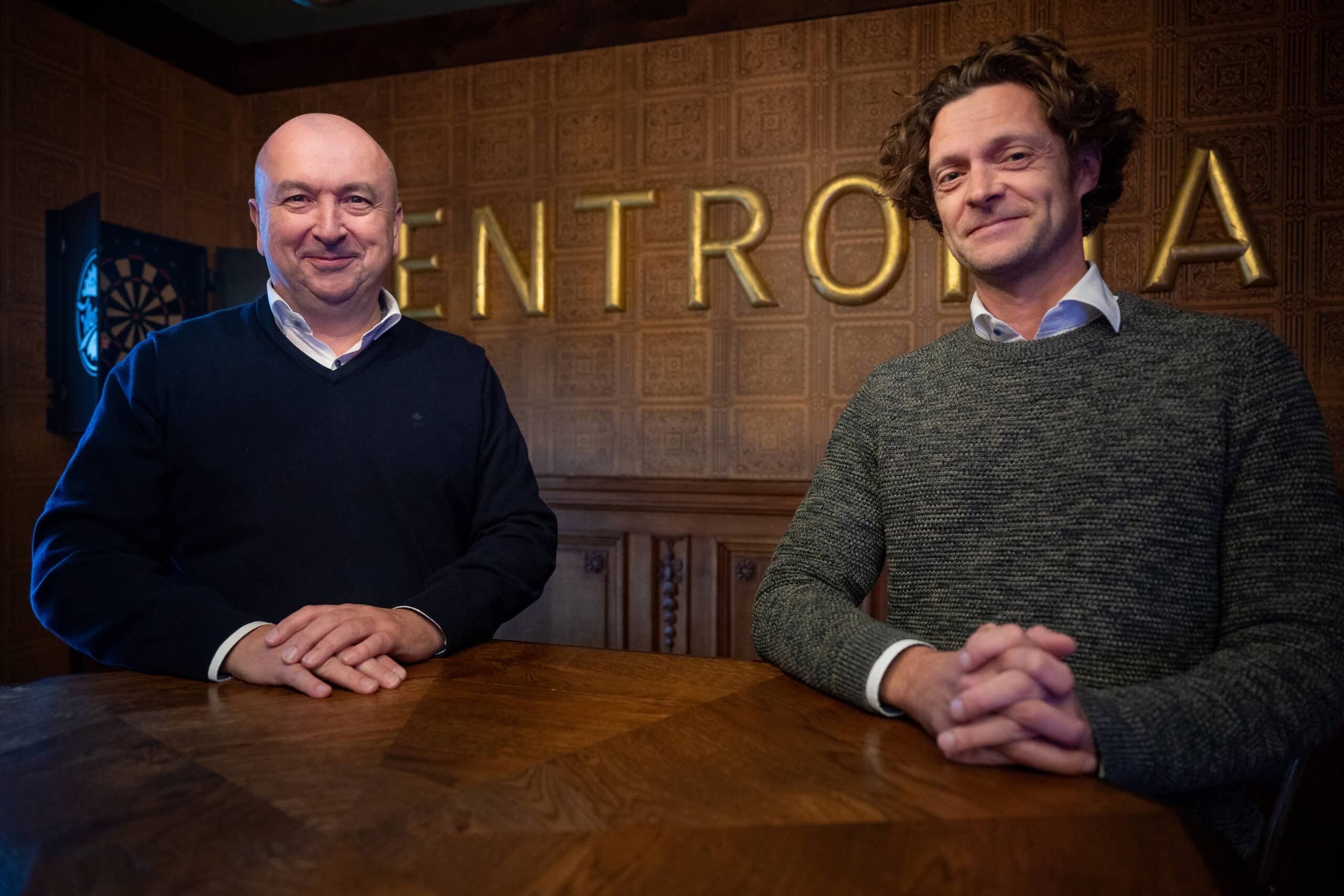
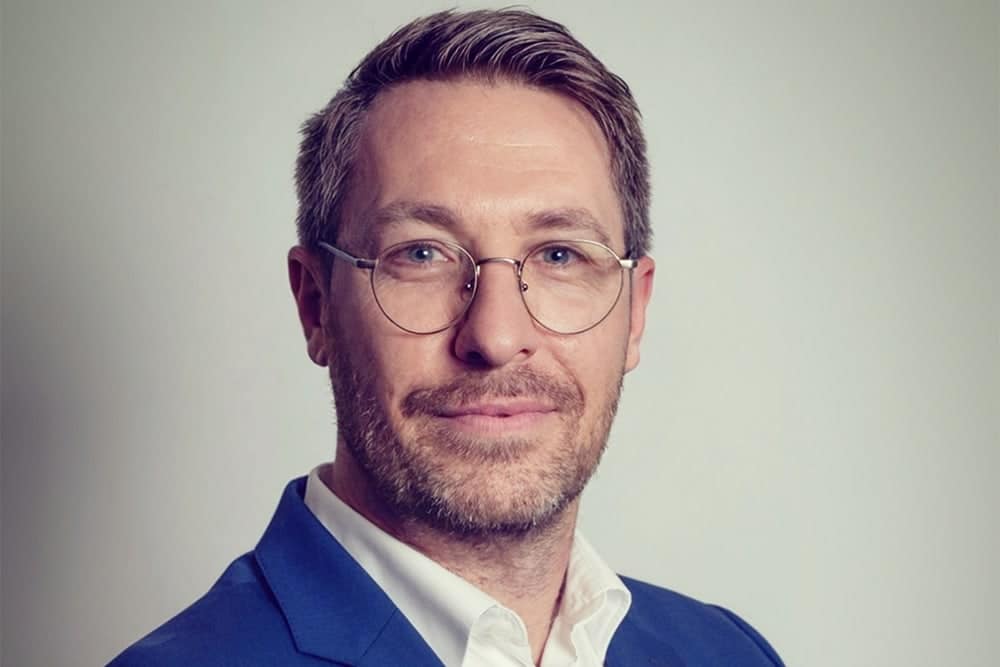
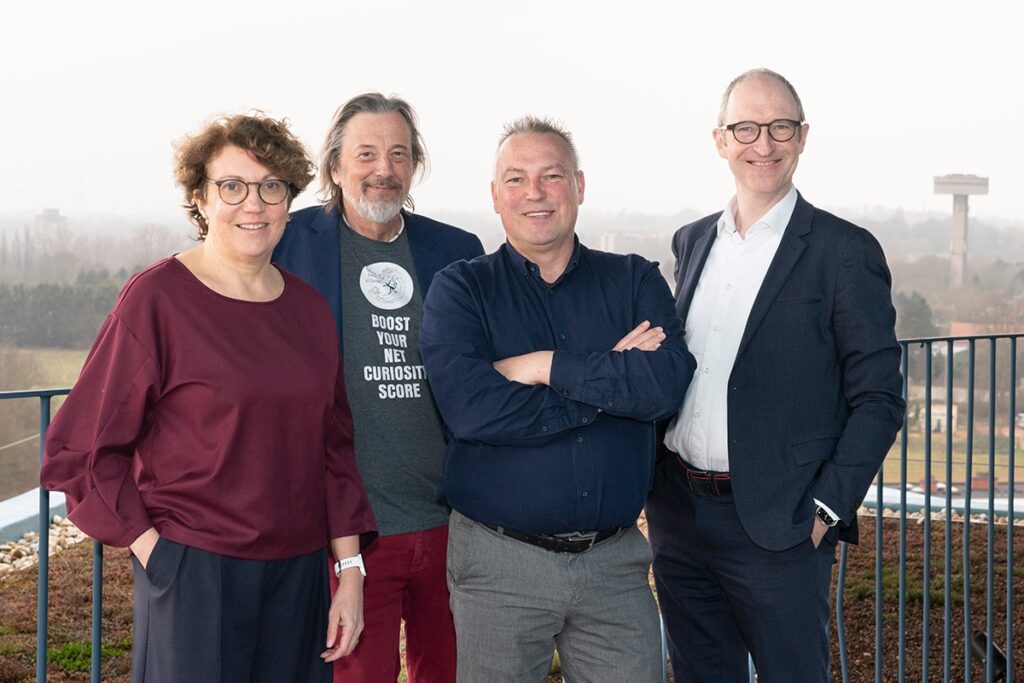
European industry is going through a difficult period. Competition from low-wage countries and China, a tariff war with the US and rising costs at a time when innovation is essential... The challenges are multi-layered and complex. What does the future hold for our industry? We brought together a panel of future watchers and tech experts to hear their analysis and insights: Carine Lucas (Agoria), futurologist Rik Vera, Bert Van Thilborgh (Futureproved) and Joachim De Vos (Living Tomorrow and Ghent University).
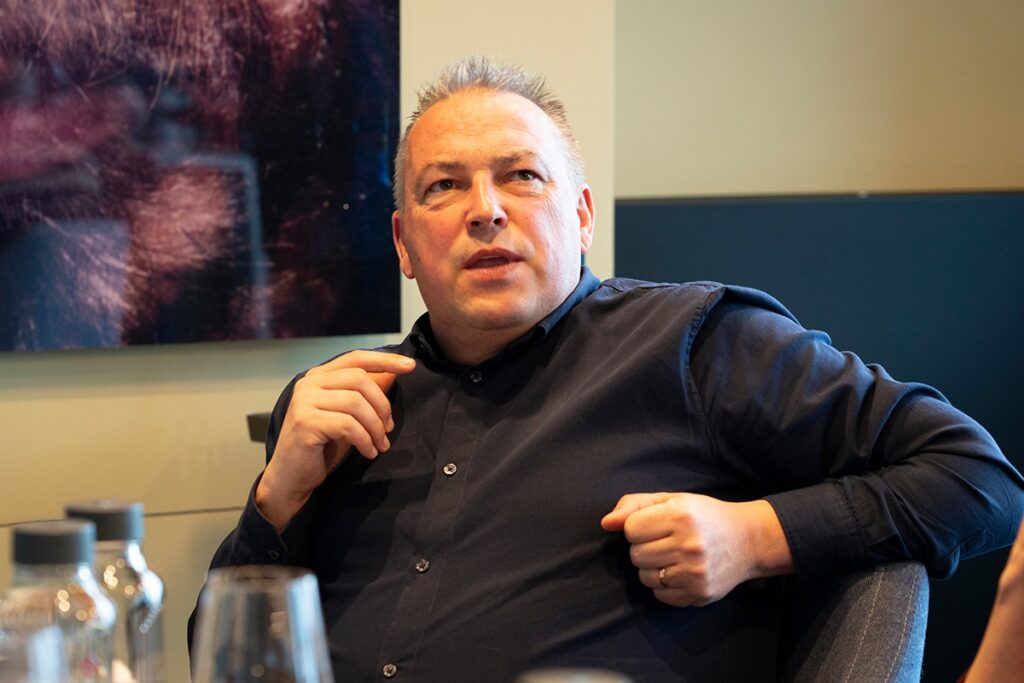
The manufacturing industry is suffering. A number of large companies have run into difficulties, and this is also having an impact on the SMEs that supply them. Is there still light at the end of the tunnel? “The statistics show the biggest job losses in 12 years. For the first time, we are also seeing a slight decline in employment in the ICT sector, which had continued to grow during previous crises. This is an important sign of things to come,” says Carine Lucas, digital expert at Agoria.
She notes that politicians have developed a sense of urgency. “The Draghi report, Trump's new term in office and the disappearance of companies such as Van Hool and Audi Vorst have made industry a prominent theme in all of the country's coalition agreements. But it is now important that concrete measures are taken quickly enough on labour costs, energy costs and complex regulations. Europe is setting the tone with the Omnibus package, but policy will mainly have to facilitate rather than regulate.”
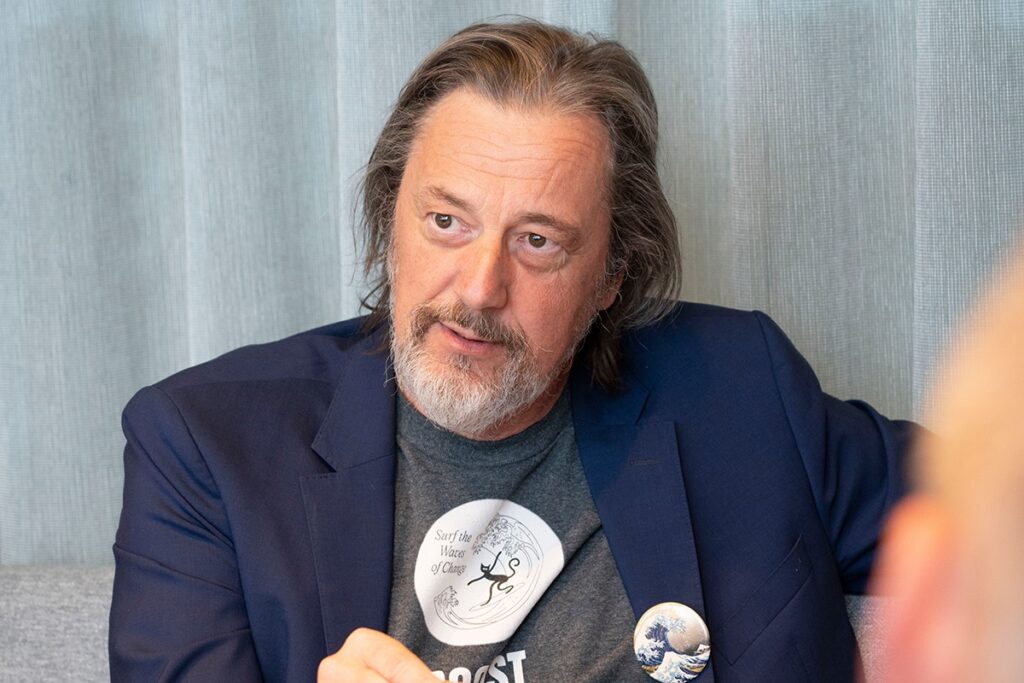
Like many entrepreneurs, author, keynote speaker and futurologist Rik Vera is annoyed by the overregulation that has taken hold in Europe: “The EU has a habit of devising rules for problems that don't yet exist. I regularly visit China and, paradoxically, they have a more facilitative policy for entrepreneurship. There, they first allow innovation and chaos to happen, and then regulate. Here, we intervene even before that creative chaos breaks out. But you need that chaos in order to innovate.”
Joachim De Vos of Living Tomorrow, also a keynote speaker and author, sees light at the end of the tunnel. “Thanks to the policies pursued by Donald Trump and Elon Musk in the US, people in Europe are finally realising that change is necessary. Companies that have not innovated enough will inevitably disappear. Redundant jobs will be cut. I expect a turnaround from 2026-27 onwards. Look at what is happening in the defence industry. Since the end of the Cold War, we have been scaling it back, but now people realise that we need to invest heavily in it again. It is necessary for our security, but on the other hand, the defence industry is at the heart of so many technologies that we use in our daily lives, such as the internet and GPS. For me, this is the greatest opportunity ever for Europe to regain its place among the US, China, Russia and Saudi Arabia.’
Companies that respond appropriately to needs and know how to integrate technology can indeed be successful, adds Bert Van Thilborgh of Futureproved Trendwatchers: “I see a number of great examples in the projects we supervise. I am thinking of Movu Robotics from Lokeren, which has received a boost and grown from 20 to 400 employees in just a few years. It proves that you have to embrace technology and not get bogged down by fears of possible disadvantages. You can think what you like about Elon Musk, but he has managed to realise a number of wild ideas in practice. That is the problem in Europe: people don't dare to fully embrace technology or they put the brakes on such moonshot projects.”
Rik Vera agrees. “This is an era of enormous change and enormous opportunities. I urge companies to proactively explore technology and learn from trial and error. I hear so many reasons not to do it: we don't have enough in-house knowledge, it's not ready yet, there's no business case yet... But you have to realise that the balance between profit and loss can shift very quickly. If you make the right strategic choices, you can suddenly conquer the market.”
At the same time, the futurologist hopes that both governments and businesses will start thinking much more in the long term. “We need a vision that explores the horizons of 2030, 2050 and even 2070. Not long ago, I was in Saudi Arabia. There, the state-owned company Aramco expressed its ambition to become independent of oil by 2035. At the same time, the regime is working on a vision of where they want to be in 2050. You can see that this provides enormous drive. We lack that kind of drive in Europe. There are too many policymakers and companies who actually have no idea where they are going.”
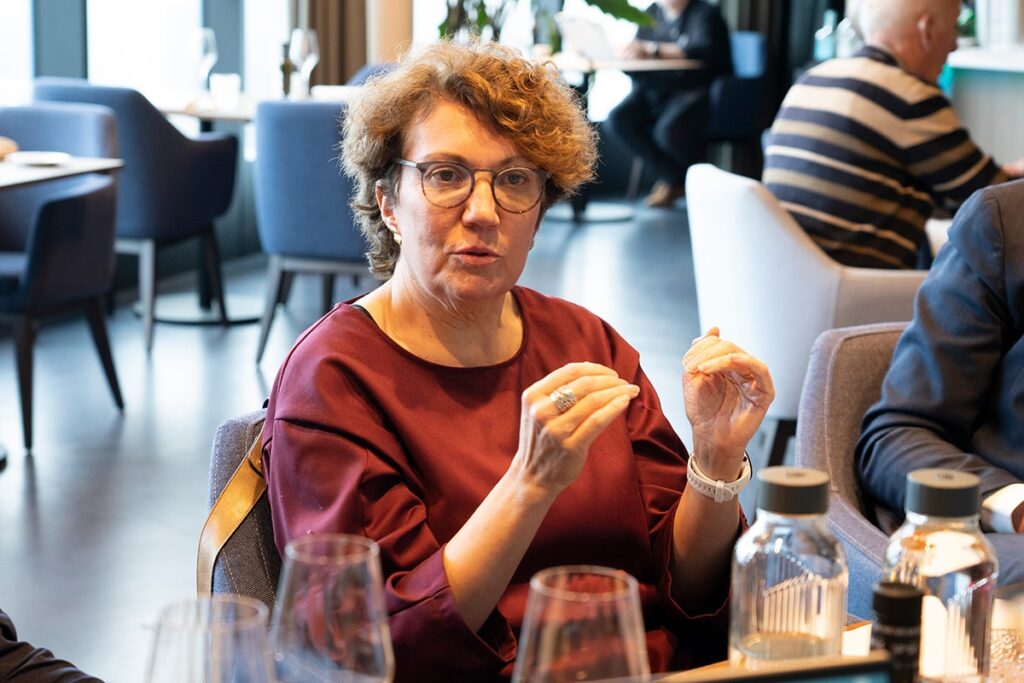
Technological evolution is advancing at an exponentially faster pace than before. Carine Lucas of Agoria also sees many opportunities: “Never before has so much technology been available at such a low cost. We are really seeing a peak in opportunities in research and innovation. Things that used to require a PhD are now within reach. We need to translate this to the SME world. We are trying to teach them that creative solutions can be found for 99% of their problems today. We are also seeing revolutionary developments in science, for example in the lead time for developing new medicines. The most recent Nobel Prize in Chemistry went to three researchers from Google DeepMind who were able to crack a code relating to protein structures in our bodies.”
As a techno-optimist, Joachim De Vos also sees this as the challenge: converting innovative research into successful products, services, processes or new business models. “We are good at coming up with new things, but not at marketing them. People measure innovative success too much by how much IP you manage to register. That's wrong; it's all about translating that intellectual property into business. Look at Philips. It's a company that was full of IP, which is at the heart of AI, and yet it is not innovative enough. It mainly sticks to inventing. We need to use our brains much more and dare to take more risks,” he suggests. “Let me give you one example: we see accidents at level crossings all the time. Yet a smart camera costing a dozen euros on every train and level crossing could perfectly avoid such incidents. Why are we so averse to this?”
“We don't experiment enough,” notes Rik Vera. “Sometimes companies even tire of innovation. That's the big danger. Because then your mind gets stuck and you lose the curiosity that I believe is crucial to remaining successful in the long term. Let's automate all the boring tasks using AI and spend the time we save on creative and innovative thinking!”
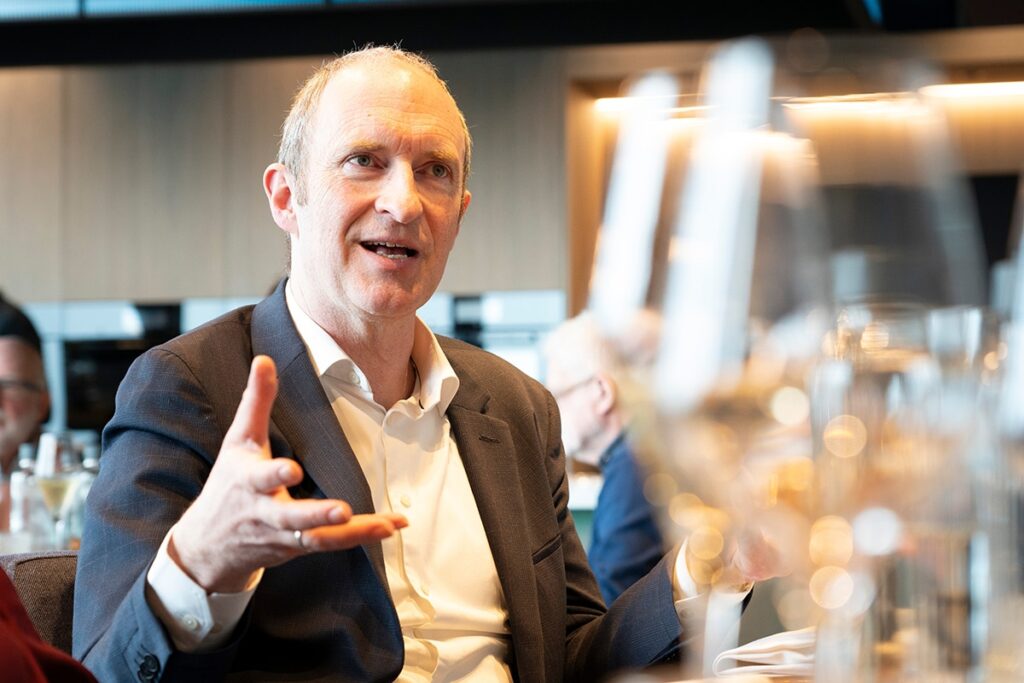
Education has a crucial role to play in this. But it must be structured differently. “We have known for years that quality is declining. But our education system remains stuck in structures and methods from the past. To tap into spontaneity, to be creative and innovative, we need to give young people more freedom, outside of a traditional timetable,” says Bert Van Thilborgh. “The solution lies in shortening courses, making them more practical, fully integrating technology and involving businesses much more than today in education.”
“Technology is certainly part of the solution, including for further training later in one's career,” adds Carine Lucas. “When it comes to lifelong learning, our country has one of the worst scores in Europe. With adapted digital learning methods, we can improve that score. Or consider the ambition to achieve an employment rate of 80 per cent. We can create more workable jobs with cobots, which make physical labour less difficult, or through AI to make administrative jobs less stressful. In my opinion, the biggest challenge in making all this happen lies in greater cooperation between the exact sciences and the humanities: reconciling technology and the human, the creative. There is still a lot of work to be done in that area.”