nexttech.be
en

The knowledge platform for technology, innovation and digital transformation
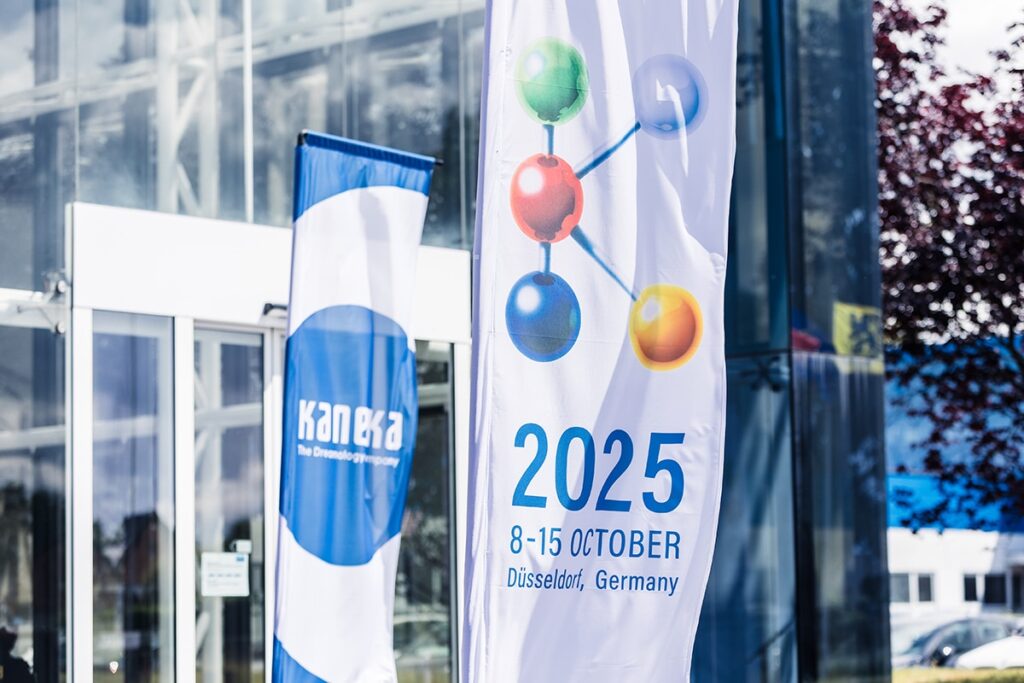
K 2025 puts the circular economy, digitalisation and people at the heart of the event. In October, the global plastics and rubber industry will once again gather in Düsseldorf for the triennial flagship event K 2025 – The World’s No. 1 Trade Fair for Plastics and Rubber. More than 3,000 exhibitors from sixty countries and over 177,000 visitors will engage in dialogue on the challenges and solutions facing a sector in transition, with one common thread: plastics are part of the answer.
The trade fair organisers are pulling out all the stops to ensure that today’s key themes – the circular economy, digitalisation and people – receive maximum attention from visitors. As a taster for K 2025, Fairwise – which specialises in international trade fairs and represents K Messe in the Benelux – invited us to an inspiring sneak peek at Kaneka Belgium in Westerlo.
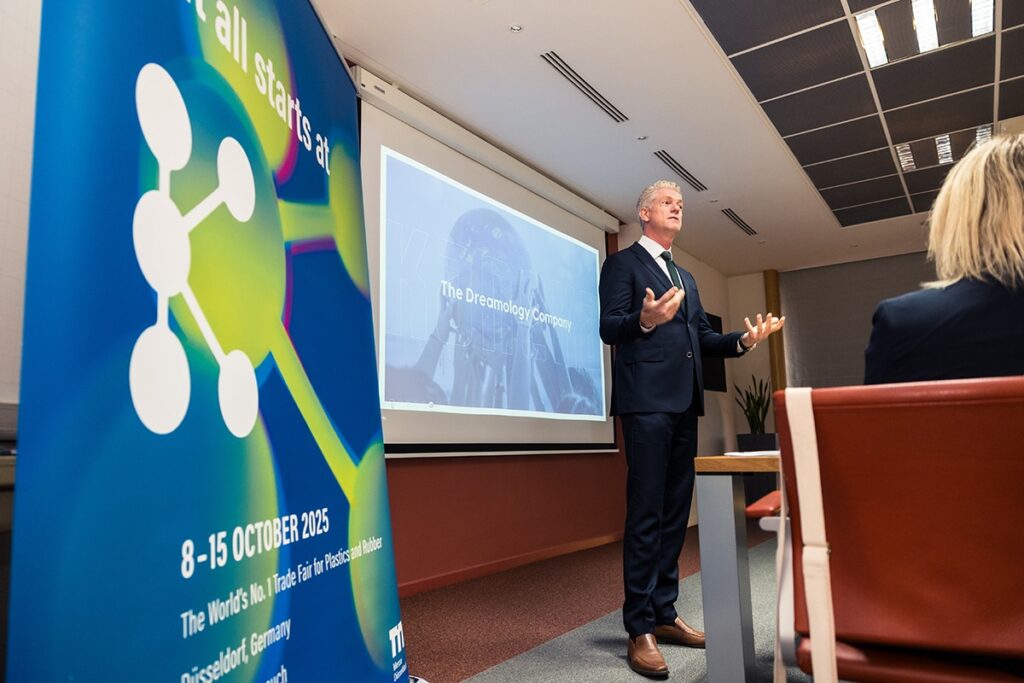
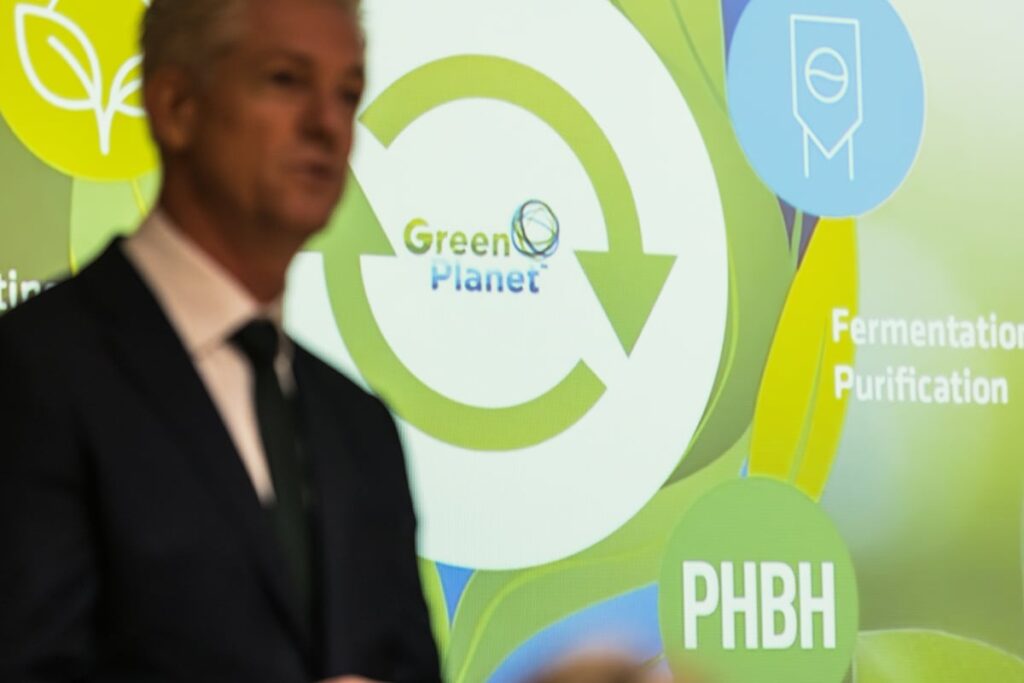
Kaneka, with Japanese roots and a strong presence in Europe, has been a fixture at the K trade fair since 2013. As a pioneer in sustainable plastics solutions, the company aims to demonstrate that, with innovation and responsibility, plastics can in fact be part of the solution. “We are ready and have already taken many steps. Now it’s just a matter of the legislation,” said Olivier Renson, senior vice-president at Kaneka Belgium.
With products such as Green Planet, a biodegradable material that leaves no microplastics behind, and Eperan and MS Polymers, which are recyclable and solvent-free respectively, Kaneka is making a tangible contribution to the circular use of materials. Their involvement in the Science Campus at K 2025 underlines their commitment to collaboration and open innovation.
There is a pressing need for circular solutions: globally, less than ten per cent of plastic waste is recycled. However, the production of recycled plastics requires far less energy, which reduces CO₂ emissions and enhances security of supply. At the same time, recycling presents technical and economic challenges: the processes are complex, energy-intensive and more expensive than using virgin plastics. The transition to a circular economy therefore requires structural support. Whilst some regions are focusing on voluntary initiatives, Europe is opting for (over)regulation. To accelerate progress, fast-track procedures, investment incentives and international cooperation are essential.
At K 2025, alongside Kaneka, other players will also be presenting their innovations and practical solutions for a circular future, under the motto ‘Shaping The Circular Economy’.
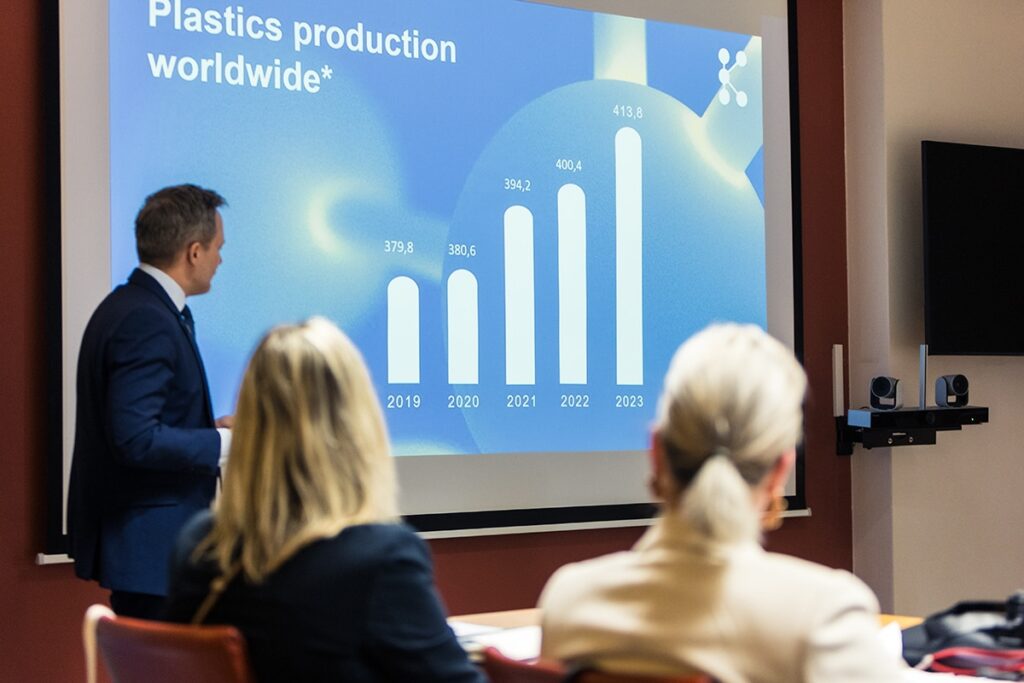
The second main theme – Embracing Digitalisation – is more relevant than ever. According to figures from the German Ministry of Economic Affairs, the level of digitalisation in the industry has risen by 14 per cent in five years. Digitalisation is proving to be a catalyst for a more sustainable and efficient plastics industry. Nevertheless, its practical application remains a challenge. Artificial intelligence (AI), digital twins and data-driven quality control make it possible to optimise production processes, reduce waste and sort materials more accurately for recycling. Connected production systems enable real-time optimisation, allowing companies to better cope with market fluctuations. At the same time, new business models can be developed, for example in the form of digital platforms and maintenance services.
During the press conference, it became clear how Kaneka, through its European R&D centre, is actively utilising digital tools to accelerate sustainable innovation. Among other things, their digital systems support the Digital Product Passport, which will become mandatory in the EU from 2025.
Alongside technology and the environment, ‘Caring About People’ is also a key theme of K 2025. This is not just about health and safety or inclusion, but also about attracting and retaining talent. The plastics sector is facing an acute shortage of technically skilled staff. Kaneka is addressing this through close collaboration with universities of applied sciences and by taking part in initiatives such as ‘Women in Plastics’ at the trade fair.
Thomas Franken, Director of K – Plastics & Rubber at Messe Düsseldorf GmbH: “K 2025 will be a superb opportunity for cross-fertilisation in terms of knowledge-sharing, networking and growth in turbulent times. Through ”The Power of Plastics’ and themed zones focusing on the circular economy, the event offers concrete solutions to today’s greatest challenges. Anyone who wants to see the future of plastics and rubber should be in Düsseldorf from 8 to 15 October.”