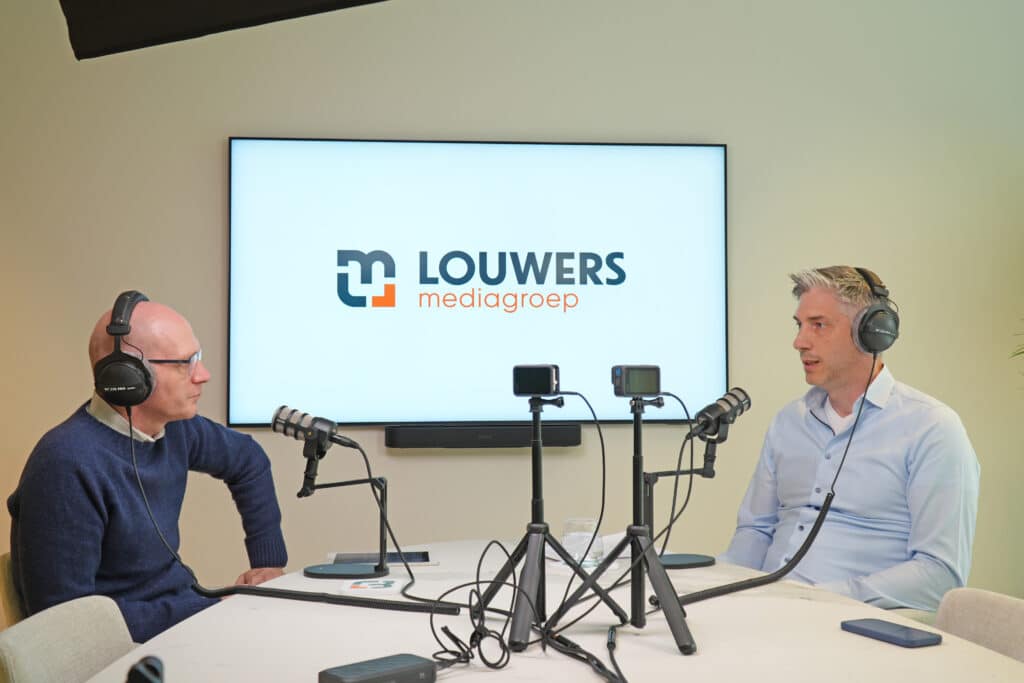
[00:03] Introducing the episode on energy management
Björn Crul: Hello listeners, welcome back to this podcast series on the energy transition and smart buildings. Last time, we talked about electrification and the challenges it poses for building professionals and installers. In this second episode, we focus on energy management, the smart layer that ensures that different energy components work together optimally. I'm Björn Crul and my guest is a man who knows all about energy management, namely Henk Demaeght from Cebeo. Henk, welcome. In the previous episode, we talked about the different building blocks of the energy transition and where we are today. As part of that, why is it important to consider energy management when installing new technologies?
Henk Demaeght: Because technology alone obviously doesn't solve the problem. We have large assets like solar panels, charging stations, heat pumps and batteries that actually all work independently of each other. If those don't interact properly, then you have an inefficient system and you're not going to make the best use of your energy or deliver it back to the grid. So without energy management, you're really just investing in hardware, whereas EMS actually guarantees your return on investment from your system.
[01:22] Operation of an Energy Management System
Björn Crul: Yes, an EMS, an Energy Management System, how does that actually work in practice?
Henk Demaeght: Simply put, an EMS system is actually a system where you are going to monitor energy, which is going to measure your energy from all your major assets. Which is going to look at okay, when can we use that energy optimally to start doing our own energy management and when, if there's no energy available because of the sun for example, we're actually going to take that energy off the grid in the cheapest way possible.
[01:54] Impact of tariffs and consumption
Björn Crul: Yes Henk, and energy management systems will only become more important because of course the more we electrify, the differently our energy bills will be composed. What are the factors impacting that today?
Henk Demaeght: Yes, we have our energy consumption there on the one hand, but in addition it is also very important to look at okay, when do we consume that energy? And momentum is actually going to become more and more important in the future. And we see that through your capacity tariff, your dynamic tariff that are actually charged along with it. And we need to respond to that to get those right with each other. And that then gives that your EMS system is used optimally actually.
[02:41] How EMS systems respond to price signals
Björn Crul: And so how does an EMS system respond to those price signals?
Henk Demaeght: Who is going to start looking, for example, at the rates that are published. It's going to take those in, it's going to compare them, but it's also going to look at the weather forecasts, for example. Are solar panels going to yield more or less? How expensive is that energy going to be? Will I put that in my battery or will I use it myself as much as possible? Those also do forecasting by the user himself to see if my heat pump needs more or less energy.
[03:17] Smart control of energy consumption
Björn Crul: So countless things and lots of data that you are going to take into account. Will it then go as far as, for example, an energy management system can turn on a washing machine if there is a lot of sunshine?
Henk Demaeght: That's possible, but of course, I want to add a nuance to that. Because a washing machine does consume something, but it's not a big asset for us. A big asset for us is, for example, a battery that can store a fair amount of kilowatts or a heat pump that can be controlled. This will generate more revenue than controlling small assets such as a dishwasher, washing machine or dryer.
[03:52] User comfort and optimisation
Björn Crul: When we talk about energy management systems, it basically means that they ensure that you start using your own produced energy as much as possible at the right time. So saving costs, because taking less energy from the grid. Are there any other benefits?
Henk Demaeght: Yes, for an end user, that comfort is actually very important. Where the user no longer has to look at OK, when should I turn on my dishwasher or my washing machine or when should I turn my heat pump a bit higher or lower. And because of that head pricing, that dynamic tariff, your EMS system is also going to automatically start responding to higher cost of energy. When am I already doing self-optimisation and so on? So that's also very important to include in your EMS solution.
[04:44] EMS systems in commercial buildings
Björn Crul: We have so far talked about residential buildings. Of course, tertiary buildings, offices, manufacturing environments also need to electrify. Are there also EMS systems available for those kinds of buildings?
Henk Demaeght: Yes, more and more even. So for tertiary buildings, that does take a different approach. There, we're not so much going to look at how we're going to efficiently coordinate all the assets with each other, but we're going to go more from the direction of how can we monitor our whole, our commercial building and how can we control our HVAC system in this case and optimise our production.
[05:28] Impact of the EPBD directives
Björn Crul: There is also, of course, the regulations that play a role for commercial and tertiary buildings. What will be the impact of the European EPBD directives?
Henk Demaeght: Those directives are actually going to stipulate that your commercial buildings must be fully monitored actually and where possible actually that all major assets, and I'm talking about solar panels but also your HVAC system or your air-conditioning system, that those are all nicely attuned to each other and also integrated with each other. And that is usually then via IP, API, bot, so such states.
[06:02] Training on energy management
Björn Crul: And Cebeo is a trusted partner of installers. I gathered from your colleague Hilde's previous episode that you are coming up with a training programme for building professionals, for installers. Will energy management systems also be covered in that?
Henk Demaeght: Yes, so that's where we're actually going to exhibit a bit of the maze of energy management systems. By that I mean, we're going to look at okay, what brands of systems are being used on that installation and what kind of EMS system do you have going on to optimally actually do your energy management.
[06:39] Cebeo Technology at the Heysel
Björn Crul: And then at the beginning of June there is the Cebeo Technology fair at the Heysel in Brussels. What are we going to discover there when it comes to energy management systems specifically then?
Henk Demaeght: We of course have all our major partners and suppliers who focus specifically on EMS, who are going to showcase their products there of course. But besides that, we also have several brands on our central stand that we are going to integrate by presenting an EMS solution, both on a residential and a commercial level actually.
Björn Crul: And that, of course, makes the fair worth coming to see. So anyone who wants to be totally along for the ride should be at the Heysel in Brussels from 2 to 4 June for Cebeo Technology. Henk Demaeght, thanks for this interview.
Henk Demaeght: Thank you.
Björn Crul: In the next instalment of this series, we will zoom in further on the importance of communication, steering and monitoring, or connectivity for short. See you next time!