nexttech.be
en

The knowledge platform for technology, innovation and digital transformation
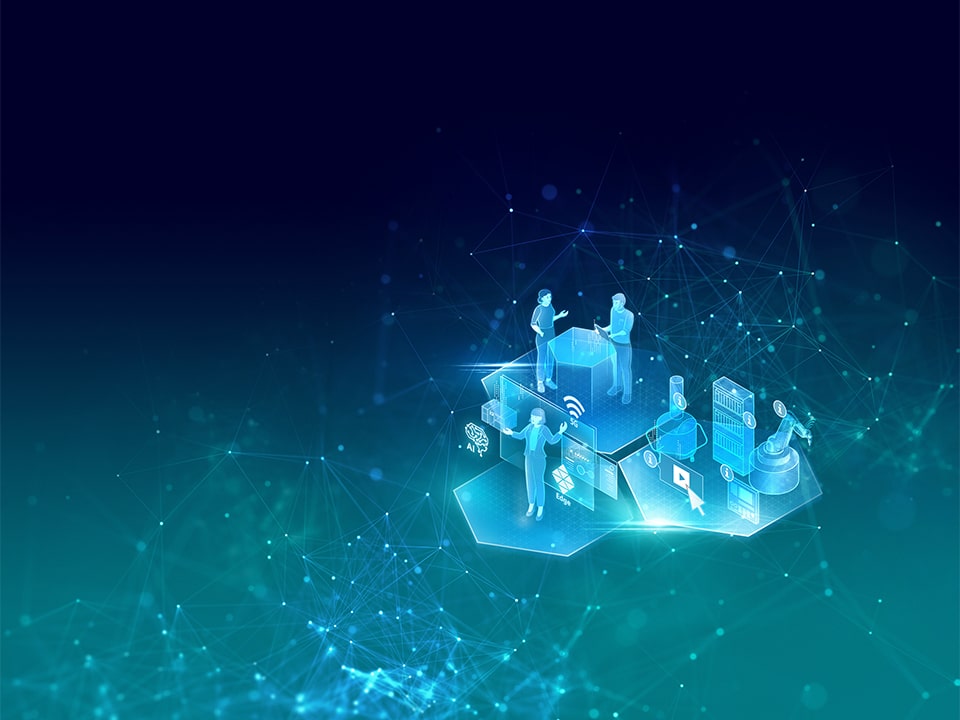
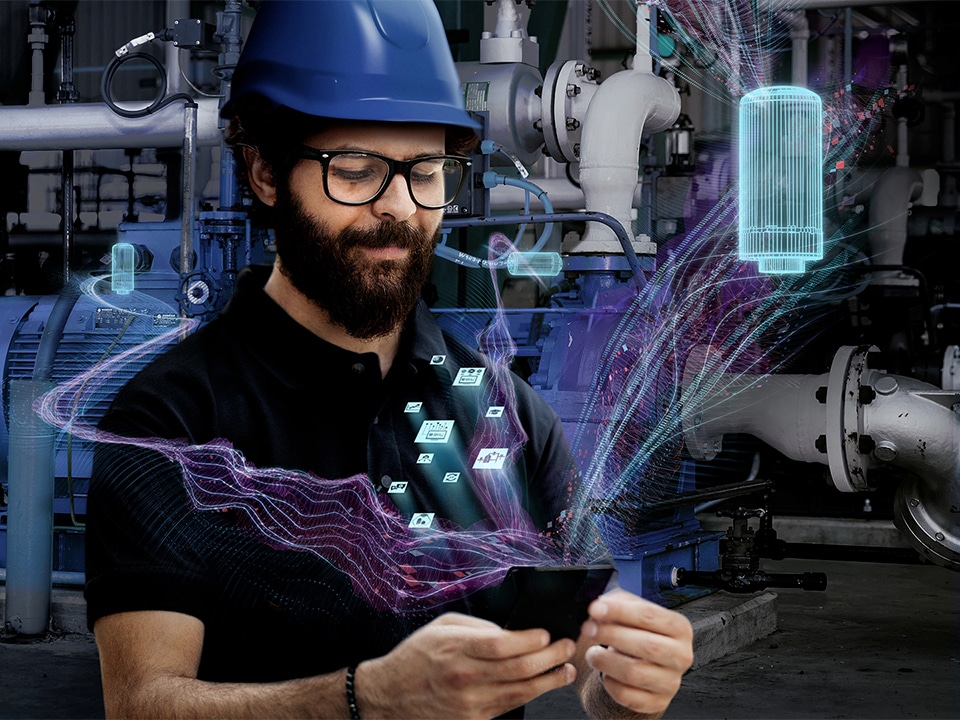
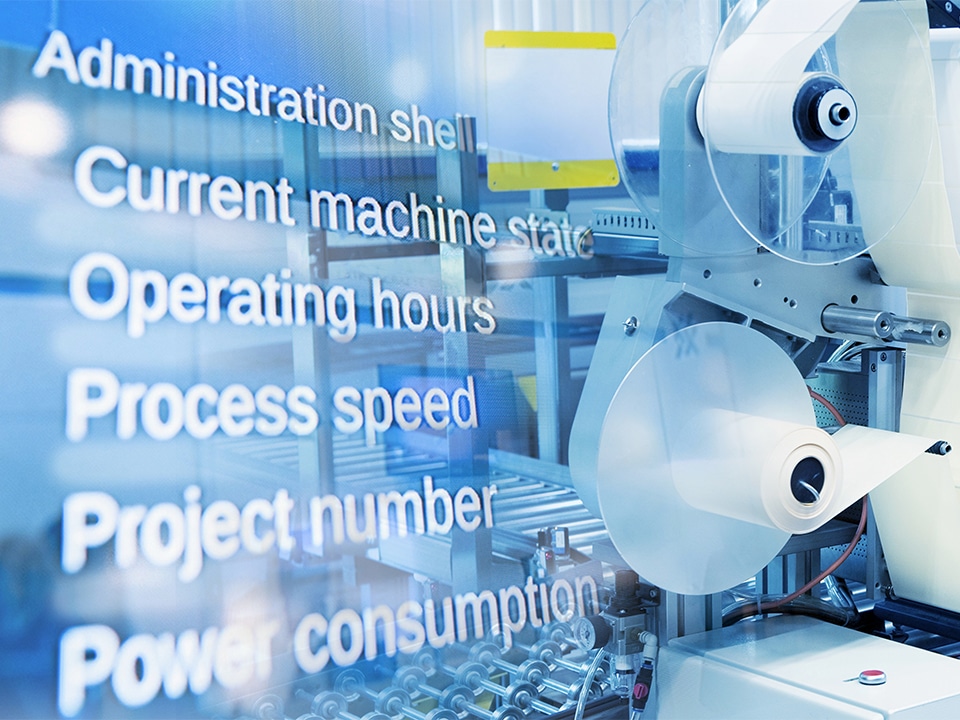
A smart factory runs on data. But connecting the data from all the different smart machines and systems in an industrial environment is far from straightforward. Yet it is precisely this that will enable us to take the next steps towards digitalisation. An ambition that calls for ecosystems. Siemens is therefore launching Siemens Xcelerator, an open digital business platform.
Digital transformation: the heart speaks what it is full of. Yet, in practice, it still happens far too rarely. Bart Demaegdt, Business Development Manager for Digitalisation at Siemens, identifies three major stumbling blocks. “86% of companies that embark on such a digital transition give up because it is too complex. A further 45% get stuck when they try to scale up their IoT projects from proof of concept to industrial-scale application. And finally, the question arises: who can they partner with to embark on such a digital journey? Doing everything yourself is impossible these days. We must therefore start thinking in terms of ecosystems and platforms.”

Siemens, which is celebrating its 175th anniversary this year and has been operating in Belgium for 125 years, has been bringing the virtual and real worlds together since 2007. It was therefore keen to take up the challenge of helping businesses overcome these hurdles. It was clear that the automation and digitalisation solutions of tomorrow must meet four conditions. Demaegdt: “They must be easy to use, flexible and scalable, open, and capable of being delivered in an ‘as a service’ model.”
It immediately became the starting point for the development of Xcelerator, an open digital business platform designed to accelerate digital transformation and create greater value for customers of all sizes. It was officially launched on 29 June. The X in the logo is not just a reference to the name. “We want to connect the worlds of IT and OT.”
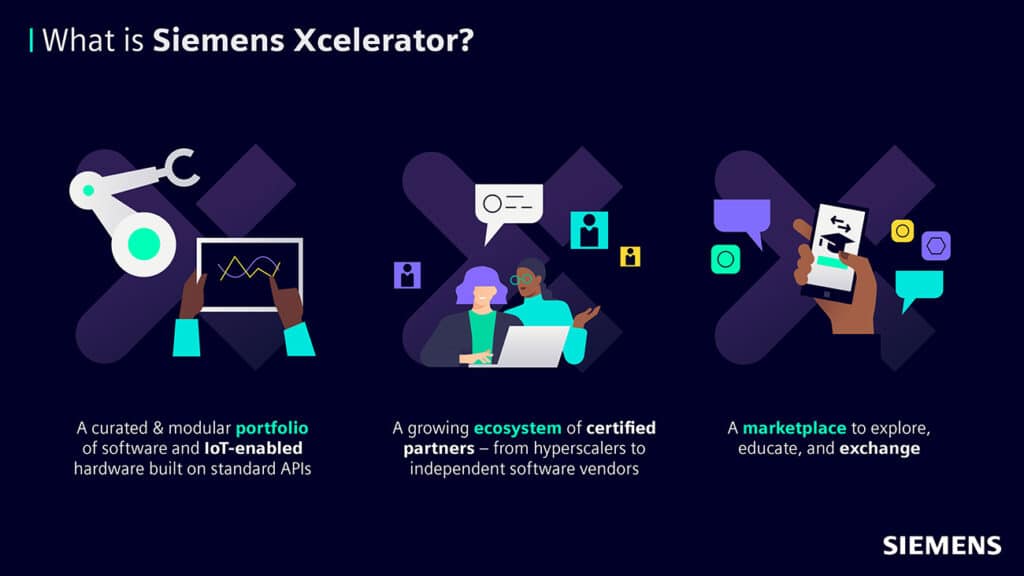
But what exactly does Xcelerator entail? “First and foremost, it brings together all of Siemens‘ digitalisation software and hardware, provided that it meets the criteria set out above. For part of our portfolio, this means that the roadmap will be adapted to meet the technical and commercial design principles of Xcelerator. This also makes them ’future-proof” straight away.”
“Secondly, it is an open ecosystem that brings together solutions from a range of experts. In terms of infrastructure (SAP, Microsoft, NVIDIA…), consultancy (Deloitte, Accenture…), and build & sell (where we can draw on an existing network of 4,000 partners). After all, we cannot do everything on our own – not even Siemens.”
“Thirdly, there is also a marketplace that will operate in the same way as modern retail platforms. For example, users will receive suggestions of what might be of interest to them,” said Demaegdt.
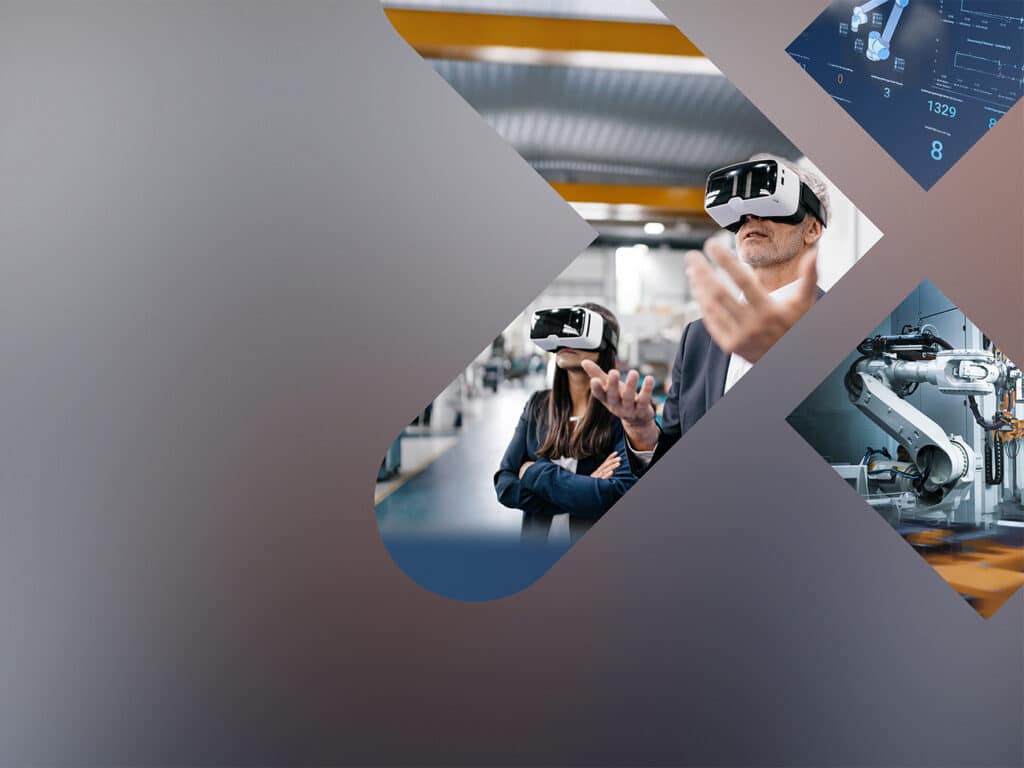
With Xcelerator, Siemens is therefore providing a platform that brings together applications capable of helping businesses further their digital transformation. A fine example that underlines the power of such an ecosystem is the collaboration with NVIDIA. For video gamers, this is a name synonymous with high-performance graphics cards. Demaegdt: “But they do a great deal more than that. With Omniverse, for example, they have a platform for 3D design and collaboration. By combining this with Siemens Xcelerator, users gain a platform that enables them to collaborate in a truly immersive way. Of course, we already had simulation software, but not everyone can abstract themselves from the simulation. You find yourself in what is known as the ‘uncanny valley’. Because you can see that it’s fake, it becomes impersonal and even uncomfortable. Omniverse, on the other hand, offers real-time, realistic rendering. This enables us to bring the industrial metaverse to life, so we can solve problems from the physical world virtually.”
So what are the benefits of all this? “To apply artificial intelligence, you need a great deal of historical data,” explains Demaegdt. “That becomes difficult if you want to build a new plant or assess how best to optimise an existing one. With a photorealistic environment, on the other hand, you can generate synthetic data and, even before a single brick has been laid, know exactly what your production line needs to look like to achieve the best possible result. The model serves as a source on which to run algorithms. The Industrial Metaverse is, in fact, the next logical expansion of Digital Twins, with the additional focus now on immersive collaboration.”