nexttech.be
en

The knowledge platform for technology, innovation and digital transformation
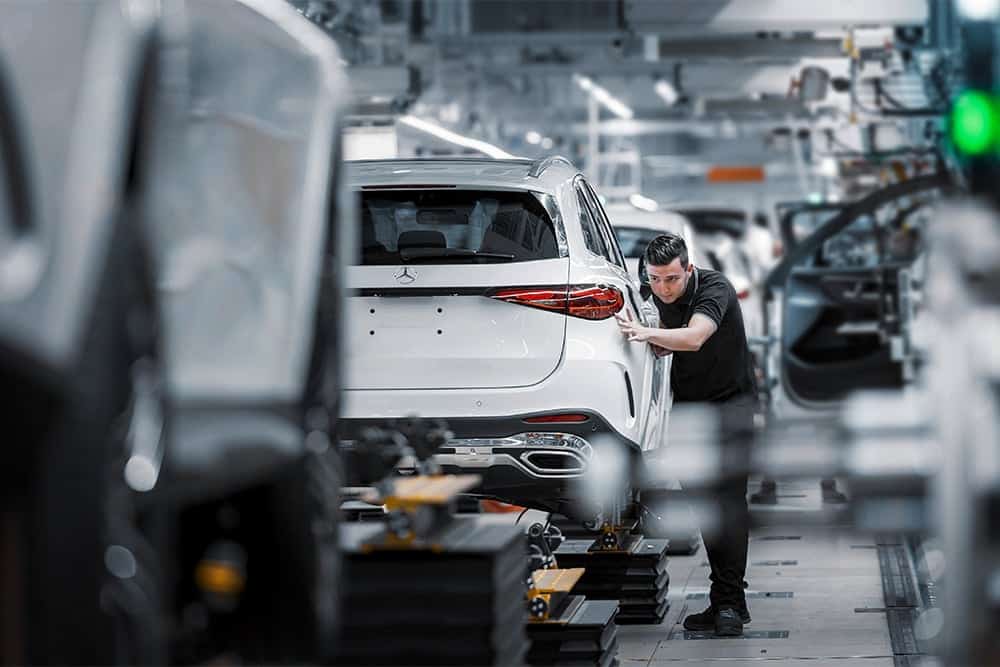
Siemens and Mercedes-Benz have jointly developed a digital energy twin with a view to the future of sustainable factory planning in the automotive industry. It was designed to support the carmaker in realising its ambition to have all production plants worldwide running on renewable energy for 100% by 2039. The digital energy twin improves, simplifies and speeds up the energy planning process already at an early stage, and this for both new (greenfield) and existing (brownfield) sites, significantly reducing planning time.

This collaboration combines Siemens' expertise in decarbonisation and energy twins with Mercedes-Benz's in-depth sector knowledge to develop a scalable tool for the automotive industry. Siemens is responsible for training and support, maintenance and continuous further development of the digital energy twin so that it is ready for wide implementation in Mercedes-Benz's global production network.
Based on behavioural models of buildings, technical systems and energy generation, the digital energy twin was designed and tested at Factory 56, the Mercedes-Benz plant in Sindelfingen, Germany. This involves linking data such as weather information, simulation of load profiles, selection and dimensioning of building systems. In the simulation of a physical energy system, planning scenarios for energy use are verified and recommendations are formulated for the optimisation of energy efficiency, among other things, for associated cost savings, and for emission reductions.
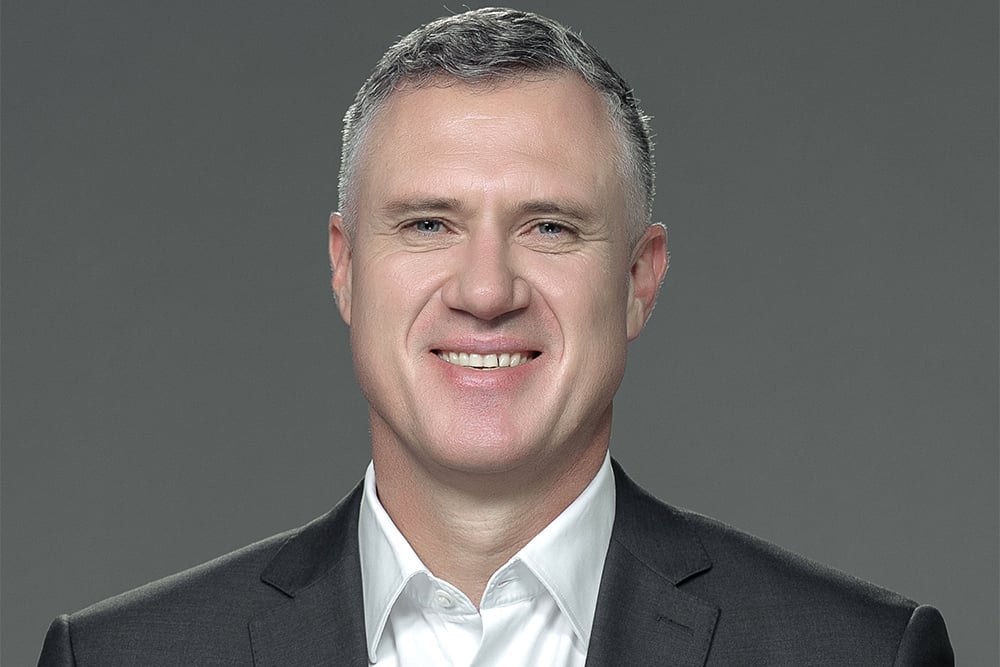
“Thanks to the accurate modelling of operation and energy consumption scenarios, the digital energy twin enables faster and more transparent decision-making already in the early planning stages,” said Matthias Rebellius, member of the board of Siemens AG and CEO of Siemens Smart Infrastructure. “This demonstrates how we at Siemens combine the real with the digital world to achieve scalable, sustainable progress in industrial sectors. This is an exciting first step towards an integrated process for optimised planning, building operation and production.”
The jointly developed digital energy twin is a demonstration of the potential of Siemens Xcelerator, an open digital business platform for accelerating digital transformation that enables customers and partners to jointly develop customised products and solutions for different industrial sectors. Siemens and Mercedes-Benz entered into a strategic partnership for sustainable car production in 2021 to promote collaboration and digitalisation of sustainable production methods.
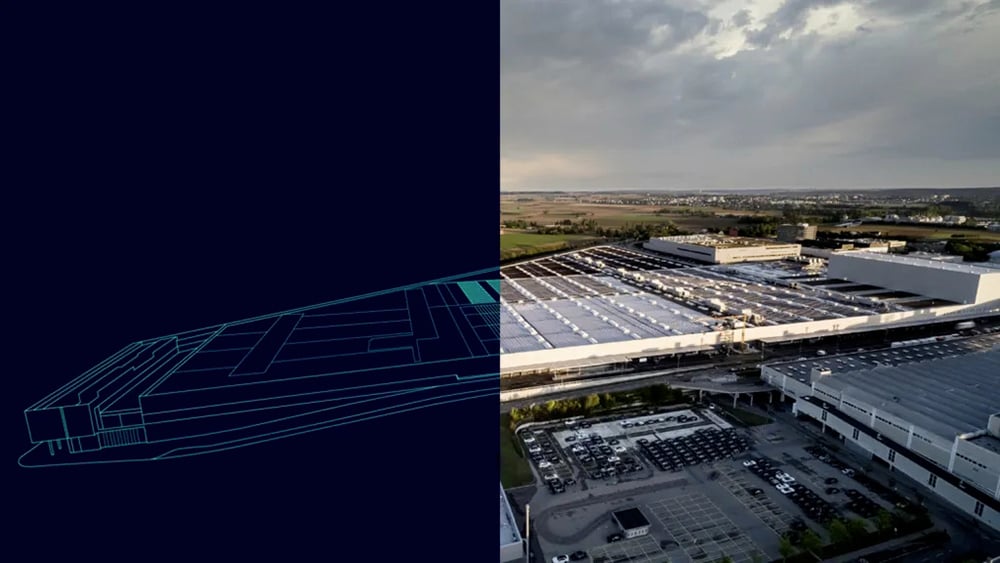
“The digital energy twin is our answer to successfully visualise, analyse and sustainably optimise energy-efficient building processes. With this innovative approach, we optimise our understanding of existing factory buildings to transform them into living smart buildings. Thanks to this transformative technology, we maximise their potential and create future-oriented standards for energy-efficient and sustainable building management in Mercedes-Benz's global production network,” said Arno van der Merwe, vice president of production planning at Mercedes-Benz Cars.
Digital energy twins are a key part of Siemens' portfolio to support industrial customers in achieving their sustainability and decarbonisation goals. For example, Siemens recently announced that it is working with another strong international partner on a global roadmap for net-zero production. This involves using a digital energy twin to simulate energy consumption and identify potential energy savings in 15 breweries worldwide. Siemens estimates that energy savings of 15 to 20% and an average CO2 emission reduction of 50% per site can be achieved at each site.